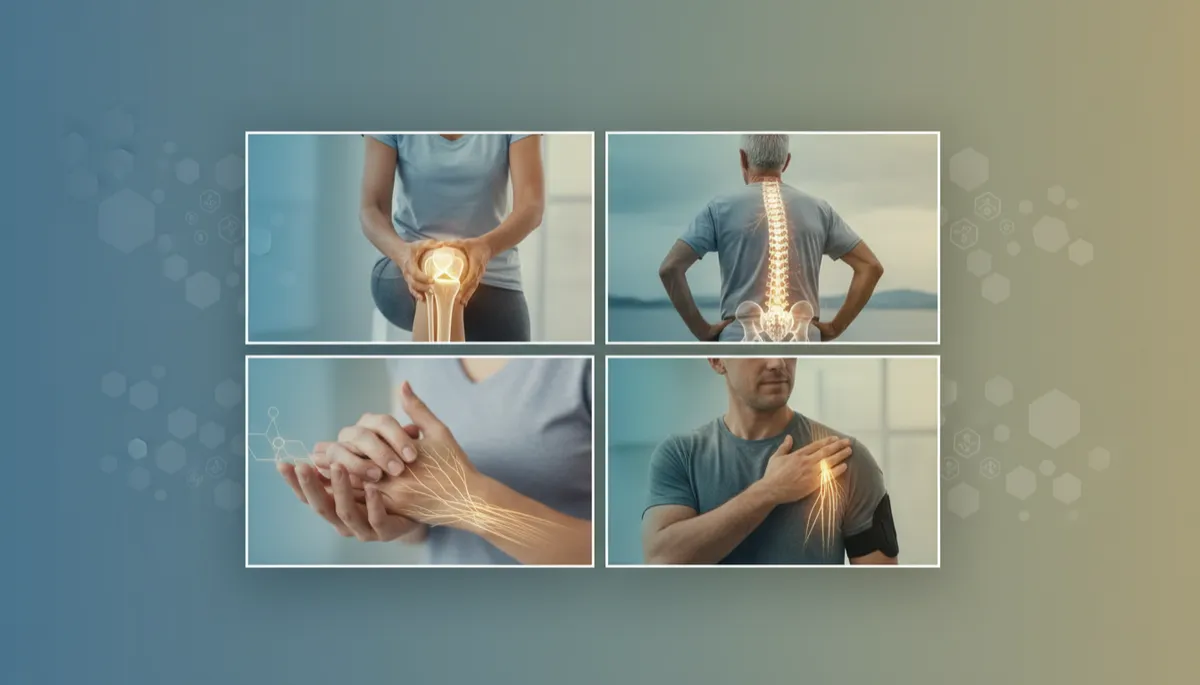
Stem Cell Therapy Guide for Santa Clarita
Regenerative Medicine, Stem Cell Therapy, Santa Clarita
What Conditions Does Stem Cell Therapy Treat? A Complete Guide for Santa Clarita Patients
Considering stem cell therapy but unsure whether it can help your specific condition? This comprehensive guide explains what stem cell and regenerative medicine can—and cannot—treat today, with a clear focus on adults in Santa Clarita living with chronic pain, joint problems, neuropathy, and inflammatory conditions.
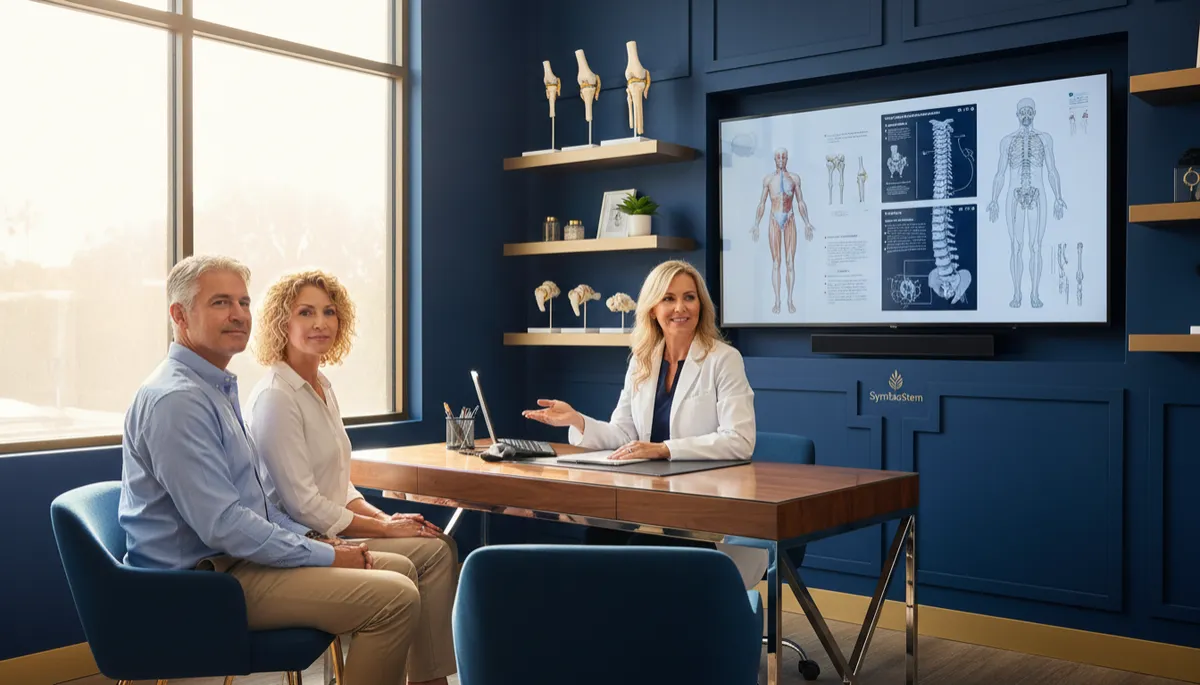
Stem Cell Therapy and Regenerative Medicine: What They Can Realistically Do
Stem cell therapy is a form of regenerative medicine that uses specialized cells to support the body’s natural repair processes. These cells can release growth factors, reduce inflammation, and influence nearby tissues to heal more effectively. In some hospital settings, stem cells are used in highly regulated ways to treat blood cancers and rare immune disorders through bone marrow and hematopoietic stem cell transplants (FDA; Stem Cell Research & Therapy 2026).
Outside of those hospital-based uses, clinics like SymbioStem in Santa Clarita offer orthobiologic and regenerative treatments that are designed to help with joint pain, back pain, neuropathy, and soft tissue injuries. These approaches are typically based on minimally manipulated cells and tissues that aim to:
- Decrease chronic inflammation in joints, tendons, and nerves
- Support tissue repair and cushioning in damaged areas (for example, cartilage and ligaments)
- Improve function and mobility so you can walk, sleep, and exercise with less pain
With that in mind, the rest of this guide outlines conditions commonly targeted by regenerative medicine in practices like SymbioStem Santa Clarita, how these therapies are thought to work, who may be a good candidate, and what realistic outcomes you might expect.
Joint Pain and Arthritis (Knee, Hip, Shoulder)
Among the most common questions we hear is, “What does stem cell therapy treat for arthritis?” Degenerative joint disease in the knees, hips, and shoulders is a leading cause of disability for adults 45–75 in Santa Clarita. Traditional options often include medications, steroid injections, and eventually joint replacement surgery.
How Regenerative Therapy May Help Arthritic Joints
In arthritis, the smooth cartilage that cushions your joints breaks down, and surrounding tissues become inflamed. Regenerative treatments using stem cells or related biologic products aim to:
- Deliver anti-inflammatory signals into the joint space, calming painful swelling and irritation
- Support the health of remaining cartilage and joint lining cells, potentially slowing further degeneration
- Encourage better lubrication and cushioning, which can improve range of motion and reduce stiffness
Early research and international clinical experience suggest some patients experience meaningful pain reduction and improved function, especially in mild to moderate osteoarthritis. However, these outcomes are not guaranteed, and high-quality randomized trials are still evolving.
Who Is a Good Candidate for Joint-Focused Regenerative Therapy?
- Adults 45–75 with knee, hip, or shoulder pain from osteoarthritis or past injuries that have not responded well to physical therapy, medications, or standard injections
- Patients hoping to postpone or avoid joint replacement surgery, but whose imaging still shows some preserved joint space and cartilage
- Individuals healthy enough for a minor procedure and able to participate in a structured rehab program afterward
Expected Outcomes for Arthritis Patients
Many patients report:
- Gradual pain reduction over several weeks to months, rather than overnight relief
- Better walking tolerance, ability to climb stairs, or perform daily tasks such as gardening or playing with grandchildren
- Decreased reliance on anti-inflammatory medications or repeated steroid injections
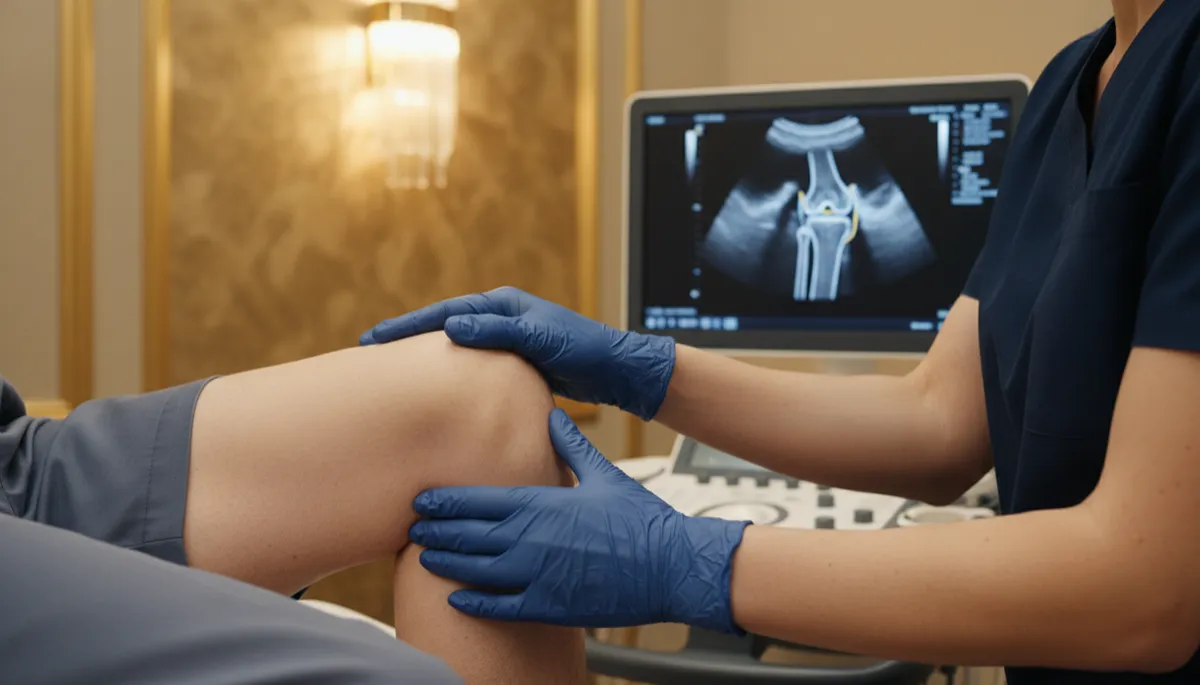
Many Santa Clarita patients explore regenerative options before committing to knee replacement.
Lower Back Pain and Disc Degeneration
Chronic low back pain is another leading reason adults search for “stem cell therapy near me.” Degenerative disc disease, facet joint arthritis, and small tears in the disc can all contribute to daily pain, stiffness, and radiating symptoms down the legs.
How Regenerative Therapy Targets the Spine
In back pain, regenerative injections may be directed toward discs, facet joints, or surrounding ligaments. The goal is to:
- Reduce inflammation in painful spinal joints and soft tissues, which can lessen muscle spasm and nerve irritation
- Support the integrity of degenerating discs and ligaments, potentially slowing further structural decline
- Improve segmental stability so core strengthening and physical therapy are more effective
While some international and early U.S. studies show promise, the FDA does not currently approve stem cell products for disc degeneration or back pain. All such treatments should be approached as off-label or investigational, with careful counseling about risks and benefits.
Who May Benefit from Regenerative Care for Back Pain?
- Patients with chronic low back pain lasting more than 6 months, despite physical therapy, medications, or standard injections
- Imaging (MRI or CT) showing degenerative changes but not severe spinal instability or large herniations requiring surgery
- Individuals who wish to avoid or delay spinal fusion and are willing to combine regenerative therapy with core-strengthening and lifestyle changes
Realistic Outcomes for Degenerative Disc Disease
For many appropriately selected patients, the most realistic goals are:
- A reduction in daily pain levels, allowing longer periods of sitting, standing, or walking without needing to lie down or take extra medication
- Improved sleep and energy due to fewer nighttime flare-ups
- Enhanced ability to participate in physical therapy, which in turn supports long-term spine health
Neuropathy and Nerve Damage
Peripheral neuropathy—often described as burning, tingling, numbness, or electric shocks in the feet and hands—is a frequent concern in adults over 50. Diabetes, chemotherapy, spine problems, and vascular disease can all damage nerves. Many patients ask about stem cell therapy for neuropathy after medications like gabapentin or duloxetine provide only partial relief.
How Regenerative Approaches Aim to Support Nerve Health
Nerves heal slowly, if at all. Regenerative strategies for neuropathy do not “replace” nerves but may:
- Reduce local inflammation around small blood vessels and nerves, potentially improving blood flow and oxygen delivery
- Deliver growth factors that support existing nerve fibers and Schwann cells (cells that insulate nerves)
- Complement lifestyle changes such as blood sugar control, nutritional support, and physical therapy to protect remaining nerve function
Research into cell-based therapies for neurologic conditions is active but still early. Many published studies are small and carry a high risk of bias, and the FDA has not approved stem cell products for neuropathy or most neurologic diseases. Any use here is investigational and should be approached cautiously.
Ideal Candidates for Neuropathy-Focused Regenerative Care
- Patients with stable underlying conditions (for example, well-controlled diabetes) who continue to have significant symptoms despite standard care
- Individuals without severe vascular compromise or active foot ulcers, which require different medical and surgical care
- Patients who understand that outcomes are variable and that regenerative therapy is not a cure for neuropathy
What Results Can Neuropathy Patients Expect?
Some patients report:
- Reduced burning or stabbing pain, especially at night, leading to better sleep quality
- Improved balance and confidence on uneven surfaces or stairs
- Enhanced ability to walk longer distances without severe flare-ups
Others may notice little change. A thorough consultation at SymbioStem Santa Clarita helps determine whether regenerative medicine is likely to add value beyond your existing neuropathy care plan.
Sports Injuries and Soft Tissue Damage
Even in midlife and beyond, many Santa Clarita residents stay active—hiking, golfing, playing pickleball, or caring for grandchildren. Overuse and acute injuries of tendons, ligaments, and muscles are common, including:
- Rotator cuff tears and shoulder tendonitis
- Tennis or golfer’s elbow (epicondylitis)
- Achilles tendon problems and plantar fasciitis
How Regenerative Therapies Support Soft Tissue Healing
Tendons and ligaments receive limited blood flow, so they often heal slowly and incompletely. Regenerative injections are designed to:
- Deliver concentrated growth factors and signaling molecules directly to damaged tissue under ultrasound guidance
- Stimulate a more organized healing response, potentially improving tendon strength and flexibility compared with rest alone
- Reduce chronic inflammation that keeps injuries stuck in a painful, non-healing state

Regenerative care may help older athletes return to sports with less shoulder or tendon pain.
Who Is a Candidate for Sports Injury Regenerative Treatment?
- Patients with partial tears, chronic tendonitis, or ligament sprains that have not fully healed after rest and physical therapy
- Individuals who wish to avoid surgery if possible, or who are not ideal surgical candidates due to age or other medical conditions
- Motivated patients willing to follow a customized rehab protocol to protect and strengthen the treated area
Expected Outcomes in Soft Tissue Injuries
- Gradual reduction in pain with activity over 6–12 weeks
- Improved strength and stability, making it easier to swing a racket, walk hills, or lift objects overhead
- In some cases, a reduced need for surgery; in others, regenerative therapy may complement surgical repair
Cardiovascular and Inflammatory Conditions
Around the world, researchers are actively studying stem cell–based therapies for heart disease, stroke, and systemic inflammatory disorders. Recent meta-analyses show modest improvements in heart function and reduced mortality after stem cell therapy in patients with ischemic heart disease and heart failure (2026 cardiovascular meta-analysis).
However, in the United States, the FDA has not approved stem cell products for heart disease, stroke, or most inflammatory conditions outside of specific transplant-related indications. Any use for these purposes is either part of a tightly controlled clinical trial or is considered off-label and investigational.
How Might Regenerative Medicine Fit into Care for These Conditions?
- For cardiovascular disease, cell-based therapies aim to support blood vessel health, decrease inflammation, and modestly improve heart function alongside standard medications and procedures—not to replace them.
- For systemic inflammatory conditions (such as some autoimmune diseases), certain cell therapies have shown benefit in graft-versus-host disease and rare immune disorders, leading to recent FDA approvals like Remestemcel-L and Tregzi. These are delivered in specialized hospital settings, not outpatient pain clinics.
SymbioStem does not replace cardiology or rheumatology care. Instead, our role is to help you understand whether any investigational regenerative options are appropriate as part of a broader medical plan and to refer you to clinical trials or specialists when needed.
Chronic Pain Conditions
Many adults in Santa Clarita live with overlapping chronic pain conditions—arthritis, back pain, tendon problems, and neuropathy all at once. They often ask whether regenerative medicine can provide relief when medications, injections, and even surgeries have fallen short.
How Regenerative Medicine Fits into a Chronic Pain Strategy
- Targeting pain generators such as arthritic joints, degenerated discs, or damaged tendons with biologic injections that may reduce inflammation and support repair
- Combining regenerative therapy with physical therapy, weight management, sleep optimization, and mental health support to address the whole person
- Using regenerative options selectively, rather than “everywhere at once,” to focus on the structures most likely contributing to pain
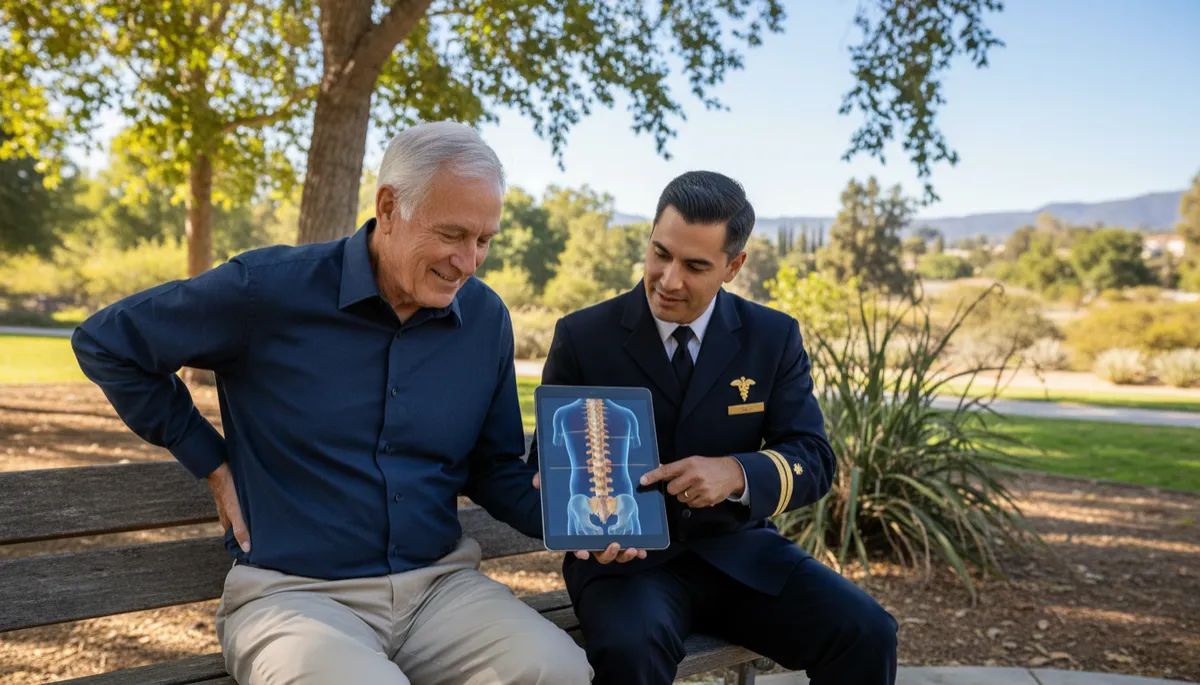
Thoughtful targeting of pain sources is essential when considering regenerative options for chronic pain.
Who Is a Good Candidate for Chronic Pain–Focused Regenerative Care?
- Adults with clearly identified structural pain sources (for example, knee arthritis plus lumbar facet arthritis) confirmed by imaging and exam
- Patients who have exhausted conservative therapies but are not ready or appropriate for more invasive surgery
- Individuals with realistic expectations—seeking meaningful improvement, not perfection, and willing to remain active partners in their care
Aesthetic and Anti-Aging Applications
Regenerative medicine is increasingly used in dermatology and aesthetics to support skin rejuvenation and anti-aging. A 2026 systematic review found that mesenchymal stem cell–based therapies and their exosomes improved skin elasticity, collagen production, and wrinkle depth in clinical studies, with some benefits lasting several years (Journal of Cosmetic Dermatology 2026).
How Regenerative Aesthetic Treatments Work
- Delivering growth factors and extracellular vesicles that stimulate collagen and elastin production in the dermis (the skin’s support layer)
- Reducing inflammatory cytokines that contribute to redness, dullness, and accelerated aging
- Complementing other non-surgical treatments such as microneedling, laser therapy, and medical-grade skincare
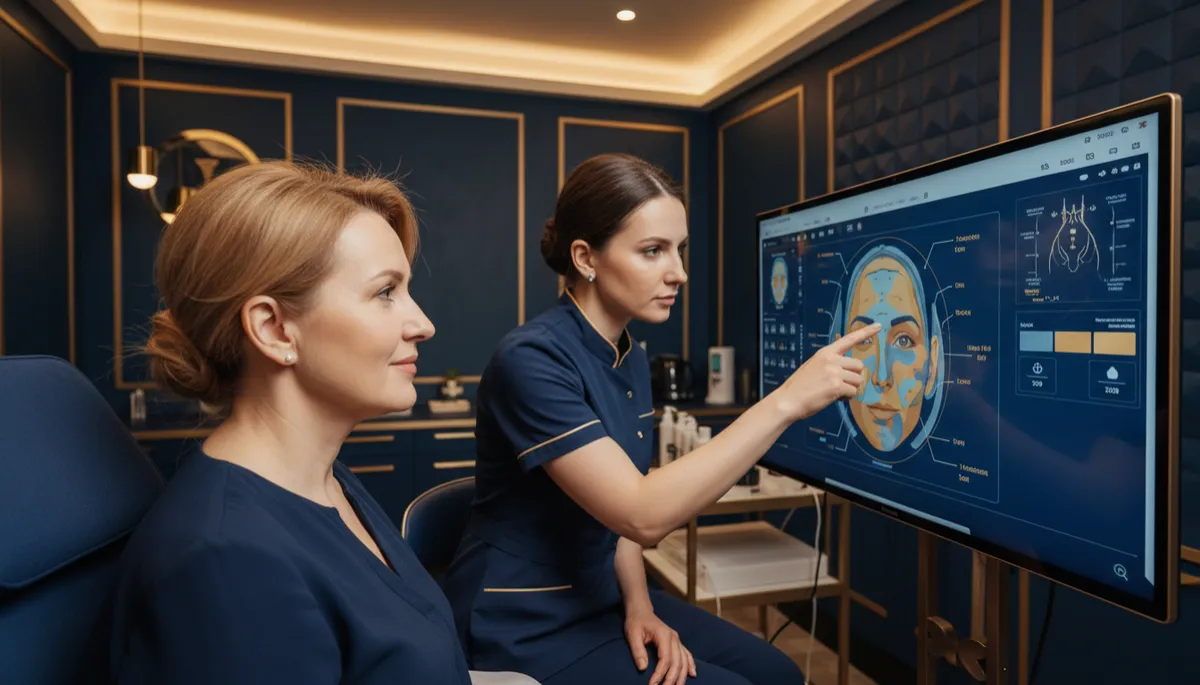
Regenerative skin therapies focus on collagen support and natural-looking improvements over time.
Candidates and Expected Aesthetic Outcomes
- Ideal candidates are generally healthy adults with mild to moderate skin laxity, fine lines, and texture changes who prefer subtle, natural results rather than dramatic surgical changes.
- Improvements typically appear gradually over several months as collagen remodels, with benefits often lasting longer than traditional fillers or topical treatments alone.
As with orthopedic and neurologic uses, most aesthetic stem cell–based treatments in the U.S. are considered investigational and should be discussed in detail with a qualified physician who can explain the evidence, regulatory status, and alternatives.
Who Is Not a Good Candidate for Stem Cell Therapy?
A trustworthy regenerative medicine clinic must be just as clear about who should not receive treatment as it is about potential benefits. At SymbioStem Santa Clarita, we may advise against stem cell or related regenerative therapies if you have:
- Active cancer or recent cancer treatment (unless you are receiving a transplant-based therapy in a hospital setting under oncology guidance)
- Uncontrolled infection, including skin infections near the planned injection site or systemic infections such as sepsis
- Severe medical instability (for example, advanced heart failure, uncontrolled diabetes, or severe lung disease) that makes any procedure unsafe
- Bleeding disorders or use of certain blood-thinning medications that cannot be safely managed around the time of injections
- Severe structural damage where surgery is clearly the safer, more effective option (for example, complete tendon rupture with retraction, severe joint collapse, or major spinal instability)
- Unrealistic expectations—such as expecting stem cell therapy to cure diabetes, Alzheimer’s disease, or advanced neurologic conditions, which current evidence does not support
Frequently Asked Questions About Conditions Treated by Stem Cell Therapy
- 1. What does stem cell therapy treat at SymbioStem Santa Clarita?
Our focus is on musculoskeletal and pain-related conditions, including knee, hip, and shoulder arthritis; degenerative disc–related back pain; select neuropathic pain syndromes; and soft tissue injuries such as rotator cuff and tendon problems. We also offer carefully selected regenerative aesthetic treatments. We do not claim to treat systemic diseases like ALS, Parkinson’s disease, or heart failure in our outpatient clinic.
- 2. Are these treatments FDA-approved?
In the U.S., the FDA has approved stem cell therapies primarily for blood and immune disorders through hematopoietic stem cell transplantation and a few transplant-related indications such as graft-versus-host disease. The FDA has not approved stem cell products for arthritis, back pain, neuropathy, or most aesthetic uses (FDA 2026 guidance). When we discuss regenerative medicine for orthopedic and pain conditions, we are discussing investigational or off-label uses. We always review this clearly during your consultation.
- 3. How do I know if I’m a good candidate for regenerative medicine?
Good candidates typically have a clearly defined condition (such as knee osteoarthritis or a partial rotator cuff tear), have tried standard treatments without sufficient relief, and are otherwise in reasonably good health. We review your medical history, medications, imaging, and personal goals. In some cases, we may recommend continuing conservative care or pursuing surgery instead of regenerative therapy.
- 4. Can stem cell therapy cure my arthritis or regrow cartilage?
Current evidence does not support the idea that stem cell therapy reliably “regrows” large amounts of cartilage or cures arthritis. Some patients experience meaningful reductions in pain and improvements in function, particularly in mild to moderate disease, but results vary. We frame regenerative medicine as a potential way to improve symptoms and slow progression, not as a guaranteed cure.
- 5. Is stem cell therapy safe for older adults?
For appropriately selected patients and when performed by trained physicians using sterile technique and high-quality biologic materials, complication rates are generally low. However, no procedure is risk-free. Potential risks include infection, bleeding, nerve irritation, and, in rare cases, abnormal tissue growth. The FDA has reported serious harms from unregulated clinics. We perform a careful risk–benefit analysis for every patient, especially those over 65 with multiple medical conditions.
- 6. How long do results from regenerative therapy last?
Duration of benefit varies widely. Some joint and tendon patients report improvement lasting 1–3 years or more, especially when they maintain a healthy weight, stay active, and protect the treated area. In aesthetic applications, studies suggest collagen and elasticity improvements may persist for several years in many patients. We cannot guarantee a specific duration, but we can explain what we see most commonly in patients with conditions similar to yours.
- 7. Does regenerative medicine help neuropathy?
Some patients with neuropathic pain report reduced burning, tingling, and discomfort after regenerative treatments, but evidence is still limited and mixed. These approaches are not FDA-approved for neuropathy and should not replace blood sugar control, vascular care, or neurologic evaluation. We consider regenerative options only after a full workup and in collaboration with your other physicians when appropriate.
- 8. Will my insurance cover stem cell therapy for arthritis, neuropathy, or back pain?
Most commercial insurers and Medicare do not cover investigational regenerative therapies for orthopedic, pain, or aesthetic indications. Hospital-based transplants and certain FDA-approved cell therapies for blood and immune disorders are usually covered, but outpatient joint or spine regenerative treatments are typically self-pay. Our team provides transparent pricing and helps you understand all costs before you decide.
- 9. How does SymbioStem ensure treatments are evidence-informed and ethical?
We closely follow FDA guidance, review current peer-reviewed research, and limit our offerings to conditions where there is at least a reasonable scientific rationale and early clinical data. We do not advertise stem cell therapy as a miracle cure, we screen patients carefully, and we clearly explain what is known, what is unknown, and what alternatives exist. If we believe you are better served by surgery, physical therapy, or a different specialist, we will tell you that directly.
- 10. How do I get started if I live in Santa Clarita and want to learn more?
If you are searching for regenerative medicine Santa Clarita or “stem cell therapy near me,” the next step is a detailed consultation. We review your history, imaging, medications, and goals, then discuss whether regenerative options, conventional treatments, or a combination makes the most sense. You can call SymbioStem directly or use our secure contact form to request a call from our team.
Taking the Next Step: Talk with SymbioStem Santa Clarita
Living with chronic joint pain, back problems, neuropathy, or stubborn tendon injuries can slowly erode your independence and quality of life. You may feel caught between medications that only mask symptoms and surgeries you hope to avoid. Regenerative medicine offers a third path—one that seeks to work with your body’s repair mechanisms to reduce pain and improve function, while acknowledging the current limits of science and regulation.
At SymbioStem Santa Clarita, we believe adults 45–75 deserve clear, evidence-informed answers about conditions treated by stem cell therapy, not hype or false promises. Whether your main concern is knee arthritis, lumbar disc degeneration, neuropathy, chronic shoulder pain, or age-related skin changes, we take the time to understand your story and explain all appropriate options—regenerative and otherwise.
If you are ready to explore whether regenerative medicine could fit into your treatment plan:
- Call SymbioStem to speak with our team and schedule a comprehensive evaluation, or
- Fill out the contact form on our website, and a staff member will reach out to discuss next steps and answer preliminary questions.
Together, we can determine whether investigational regenerative therapy, conventional treatments, or a combination offers the safest and most promising path toward less pain and more active years ahead in Santa Clarita.
About the Author – Dr. Micah Craig, MD
This guide, “What Conditions Does Stem Cell Therapy Treat? A Complete Guide for Santa Clarita Patients,” was written by Dr. Micah Craig, MD, a physician with advanced training in pain management and regenerative medicine. Dr. Craig is committed to offering ethical, evidence-informed care that respects both the promise and the limitations of modern stem cell science.
Frequently Asked Questions
What is stem cell therapy and how does it work?
Stem cell therapy uses the body's own regenerative cells to repair damaged tissues, reduce inflammation, and restore function. At SymbioStem in Santa Clarita, Dr. Micah Craig uses FDA-compliant mesenchymal stem cell treatments — injected directly into the area of injury or degeneration to stimulate natural healing.
What conditions can stem cell therapy treat at SymbioStem?
SymbioStem treats a wide range of conditions with stem cell therapy including knee arthritis, hip pain, shoulder injuries, back pain, neuropathy, and joint degeneration. Dr. Craig evaluates each patient individually to determine if stem cell therapy is the right solution for their specific condition.
Is stem cell therapy safe and FDA-compliant?
Yes. SymbioStem uses only FDA-compliant stem cell biologics and follows gold-standard medical protocols under the supervision of board-certified physician Dr. Micah Craig, MD. All treatments are performed in a clinical setting with full medical oversight.
How long do stem cell therapy results last?
Many SymbioStem patients experience improvements that last 2 to 5 years or longer, depending on the condition treated, the patient's age, lifestyle, and overall health. Dr. Craig discusses realistic outcome expectations during every consultation.
How do I get started with stem cell therapy in Santa Clarita?
Call SymbioStem at (661) 467-0243 or book a consultation online at symbiostem.com. Dr. Craig offers both in-office and Zoom consultations to evaluate whether stem cell therapy is appropriate for your condition.