PRP vs. Stem Cell Therapy: Which is Right for You?
Regenerative Medicine, PRP Therapy, Stem Cell Therapy, Joint Pain Treatment, Santa Clarita
PRP vs. Stem Cell Therapy: What’s the Difference and Which Is Right for You?
If you are over 50 and living with joint pain, stiffness, or slow recovery from injuries, you may be exploring regenerative medicine options in Santa Clarita. Two of the most talked‑about biologic treatments are PRP therapy and stem cell therapy. Understanding how they differ—and how clinics like SymbioStem™ tailor them to your unique health profile—can help you make a confident, informed decision.

What Is PRP Therapy and How Does It Work?
PRP stands for platelet-rich plasma, a concentrated form of your own blood plasma that is rich in platelets and growth factors. Platelets are best known for helping your blood clot, but they also carry powerful signaling proteins that support tissue repair, reduce inflammation, and stimulate local healing responses.
During PRP therapy, a small sample of your blood is drawn and spun in a centrifuge to separate the components. The platelet-rich layer is collected and then precisely injected into the area of concern—such as a knee with osteoarthritis, a painful shoulder tendon, or a degenerative ligament. Because PRP is prepared from your own blood, it is considered an autologous biologic and has a strong safety profile when performed correctly.
Modern research shows that PRP releases key growth factors—such as PDGF, TGF‑β, VEGF, and EGF—that can help calm inflammation and support tissue repair in joints, tendons, skin, and even hair follicles. Recent randomized trials in 2026 found that two PRP injections for late‑stage knee osteoarthritis produced better pain relief and function than corticosteroid or NSAID injections, with benefits lasting at least six months and reduced reliance on pain medication (PubMed, 2026 RCT on knee OA). Large meta‑analyses have reinforced that PRP therapy is both effective and safe for knee osteoarthritis, especially when protocols are standardized and patients are carefully selected (MDPI umbrella review, 2026).
Importantly, not all PRP is the same. Studies in 2026 emphasized that “PRP” actually includes several different formulations—platelet‑only preparations, leukocyte‑rich or leukocyte‑poor PRP, and even extracellular vesicle–rich products. Each behaves differently in the body, which is why experienced regenerative medicine providers focus on precise preparation and dosing, rather than a one‑size‑fits‑all approach (Frontiers in Pain Research, 2026).
What Are Stem Cell Biologics and How Do They Work?
In the context of orthopedic and regenerative medicine clinics, “stem cell therapy” usually refers to stem cell biologics—cellular or cell‑derived products designed to support repair, reduce inflammation, and improve the local healing environment. These may include mesenchymal stromal cells (MSCs) or MSC‑derived components such as exosomes and extracellular vesicles, depending on regulatory guidelines and the specific protocol used by a clinic. In the United States, most musculoskeletal stem cell–style treatments are offered as minimally manipulated biologics or as cell‑derived products within current regulatory frameworks, rather than as fully engineered cell therapies used in hospital settings for blood cancers or genetic diseases.
MSCs have been widely studied for their ability to modulate inflammation, secrete growth factors, and influence immune cells. Internationally, MSC‑based products have approvals for conditions such as osteoarthritis, soft tissue defects, and certain inflammatory disorders. In the U.S., they remain largely investigational, but clinics can utilize FDA‑compliant biologics and cell‑derived products under specific guidelines. These biologics do not “regrow a brand‑new joint,” but they can create a more favorable environment for tissue preservation, pain reduction, and functional improvement, especially when combined with rehabilitation and lifestyle changes (Stem cell therapy review, 2026).
Current research is also exploring cutting‑edge stem cell techniques—such as CRISPR‑edited hematopoietic stem cells for blood disorders and induced pluripotent stem cell (iPSC) therapies for Parkinson’s disease. These remain highly specialized, hospital‑based treatments, but they highlight the broader potential of cellular therapies in medicine. For adults in Santa Clarita seeking joint pain treatment, however, the focus is typically on orthopedic biologics that may include MSC‑influenced products, exosomes, and other regenerative agents integrated into a comprehensive protocol rather than standalone experimental procedures.
PRP vs. Stem Cell Therapy: Key Differences You Should Know
Although both PRP therapy and stem cell–based biologics fall under the umbrella of regenerative medicine, they differ in several important ways. Understanding these distinctions can help you and your provider decide which option—or combination—is most appropriate for your condition and goals.
| Aspect | PRP Therapy | Stem Cell Biologics |
|---|---|---|
| Source | Your own blood (autologous) | Cell- or tissue‑derived biologics; may be autologous or donor‑derived depending on product and regulations |
| Primary Action | Delivers concentrated growth factors that signal your body to repair and modulate inflammation | Provides cells or cell‑derived vesicles that secrete anti‑inflammatory and regenerative signals in damaged tissues |
| Typical Uses | Osteoarthritis, tendonitis, ligament injuries, hair restoration, skin rejuvenation | More advanced joint degeneration, complex soft‑tissue injuries, certain neuropathic or inflammatory conditions (within regulatory limits) |
| Evidence Base | Strong and growing evidence, especially for knee osteoarthritis and tendon conditions | Promising but more variable; many applications still under clinical investigation |
| Regulatory Status (U.S.) | Autologous PRP is widely used when prepared and administered under appropriate guidelines | Many cell‑based therapies remain investigational; clinics work within FDA‑compliant biologic frameworks |
Conditions Where PRP Therapy Excels
For adults 50 and older, PRP therapy has become a leading non‑surgical option for several common musculoskeletal and aesthetic concerns. High‑quality studies and systematic reviews in recent years highlight its benefits in the following areas:
- Knee osteoarthritis: PRP therapy has repeatedly outperformed corticosteroid and hyaluronic acid injections in improving pain and function, especially in mild to moderate disease and even in some late‑stage cases when protocols are carefully designed (2026 RCT and umbrella meta‑analysis).
- Tendon and ligament injuries: Conditions such as tennis elbow, rotator cuff tendinopathy, and plantar fasciitis often respond well to targeted PRP injections combined with a structured rehabilitation plan.
- Post‑surgical healing support: In some settings, PRP is used to enhance recovery after orthopedic procedures by delivering growth factors directly to the surgical site, though protocols vary by surgeon and indication.
- Skin and hair restoration: In dermatology, PRP supports skin rejuvenation and hair regrowth by stimulating local repair and improving blood supply, making it a popular adjunct to hair transplantation and cosmetic treatments (Nanomedicine review, 2026; Frontiers in Medicine review, 2026).
For many patients in Santa Clarita, PRP therapy offers a lower‑risk, evidence‑supported starting point in regenerative medicine—particularly when joint damage is not yet severe enough to require surgery, or when you wish to delay or avoid joint replacement.
Conditions Where Stem Cell–Style Biologics May Be Considered
Stem cell–influenced biologics, including MSC‑derived products and exosomes, may be considered when your condition is more advanced or when standard treatments—including PRP therapy—have not provided sufficient relief. Within the constraints of U.S. regulations, these biologics are used to enhance the local healing environment rather than to “replace” tissues outright. Potential applications include:
- Advanced joint degeneration: Patients with more severe osteoarthritis or multi‑joint involvement may benefit from protocols that combine PRP with cellular or exosome‑based biologics to address both inflammation and tissue quality more aggressively.
- Complex soft‑tissue injuries: Difficult tendon, ligament, or cartilage injuries that have not responded to conventional care may be candidates for more comprehensive biologic strategies.
- Neuropathy and inflammatory conditions: Some regenerative protocols integrate biologics to help calm nerve‑related pain and systemic inflammation, often alongside lifestyle, metabolic, and peptide‑based interventions.
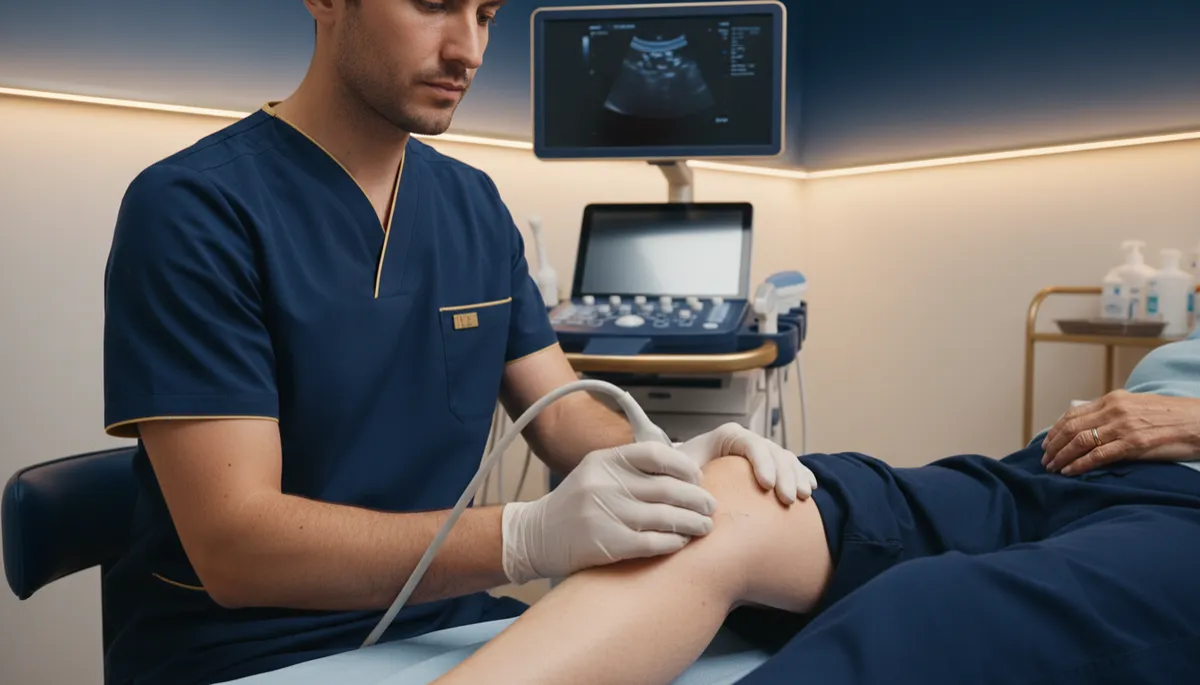
Image-guided biologic injections help target damaged tissue precisely while protecting surrounding structures.
Because the evidence base for stem cell–style biologics is still evolving, it is especially important to work with a team that is transparent about what is known, what remains investigational, and how your protocol aligns with current science and regulatory guidance. This is where a personalized, concierge‑style model such as SymbioStem™ can be particularly valuable.
How SymbioStem™ Personalizes the Right Protocol for Each Patient
SymbioStem™, serving patients in and around Santa Clarita, focuses on personalized regenerative medicine rather than one‑off injections. Their medical team designs individualized protocols that may incorporate PRP therapy, stem cell–influenced biologics, exosomes, peptides, targeted IV infusions, and advanced ozone‑based therapies (such as EBOO), all within FDA‑compliant guidelines and under the supervision of board‑certified providers (SymbioStem.com, 2026).
Instead of asking, “Should I get PRP or stem cell therapy?” SymbioStem™ starts by asking, “What is the most effective, safest way to help this specific person heal?” Factors they consider include:
- Your age, activity level, and long‑term goals (for example, walking several miles daily, returning to tennis, or simply being able to play comfortably with grandchildren).
- The severity and pattern of your joint or nerve damage, based on imaging and physical examination.
- Your overall metabolic and inflammatory health, including weight, blood sugar control, and other chronic conditions that can influence healing.
- Your prior response to treatments such as cortisone injections, physical therapy, surgery, or previous biologic procedures.
Their case studies illustrate how this approach works in real life. For example, a 58‑year‑old man with severe knee osteoarthritis underwent an advanced joint regeneration protocol that combined cellular therapy with exosomes. Within six weeks, his pain dropped from 8/10 to 1/10, and by week 10 he had returned to tennis—avoiding knee replacement surgery (SymbioStem case study, 2026). Another protocol for a 62‑year‑old man with chronic peripheral neuropathy restored sensation in his feet, eliminated the need for gabapentin, and enabled him to walk three miles a day without burning pain after four months.
What to Expect at a SymbioStem™ Consultation in Santa Clarita
If you are considering regenerative medicine for joint pain treatment or another chronic condition, your first visit with SymbioStem™ is designed to be thorough, educational, and unrushed. While every patient experience is unique, most consultations follow a structure similar to this:
- Pre‑visit review: Before your appointment, the team reviews your health history, imaging (X‑rays, MRIs), prior surgeries, and medication list. This helps them understand your baseline and any red flags that might affect candidacy for PRP or biologic therapies.
- In‑depth discussion of symptoms and goals: During the consultation, your provider will ask detailed questions about your pain, mobility, sleep, and daily activities. For adults over 50, this often includes how joint or nerve issues affect work, caregiving, hobbies, and independence.
- Targeted physical examination: The clinician assesses range of motion, strength, joint stability, and areas of tenderness. If needed, they may recommend updated imaging to clarify the extent of degeneration or injury before finalizing a plan.
- Regenerative options review: Your provider explains how PRP therapy works, how stem cell–influenced biologics differ, and where each may fit in your situation. This includes a realistic discussion of expected benefits, timelines, and potential risks based on current evidence—not hype or exaggerated promises.
- Personalized protocol design: If you are a candidate, the team outlines a step‑by‑step plan. This may include a series of PRP injections, a combined biologic protocol, adjunctive therapies (such as peptides or targeted IVs), and a home or in‑clinic rehabilitation program. You will also discuss logistics such as number of visits, concierge options, and follow‑up monitoring.
- Time for questions: Finally, you have the opportunity to ask about safety, evidence, cost, and how treatment might interact with your other medical conditions. The goal is for you to leave the consultation with clarity—not pressure.
Is PRP or Stem Cell Therapy Right for You?
No online article can replace a one‑on‑one medical evaluation, but there are some general patterns that may help guide your thinking before you speak with a specialist in Santa Clarita:
- You may be a strong candidate for PRP therapy if you have mild to moderate osteoarthritis, chronic tendonitis, or a ligament injury that has not responded fully to physical therapy and conservative care, and you prefer to start with an autologous, well‑studied option.
- You may wish to discuss stem cell–style biologic protocols if your joint degeneration is more advanced, you have multi‑site involvement, or you have complex neuropathic or inflammatory issues that require a broader, system‑level approach under close medical supervision.
In many cases, the most effective strategy is not choosing PRP or stem cell therapy, but rather integrating the right biologics with metabolic support, targeted movement, and ongoing monitoring. This is especially true for adults over 50, whose healing capacity can be influenced by factors such as hormone balance, sleep quality, and cardiovascular health.
Take the Next Step: Schedule Your Regenerative Medicine Consultation
If you are ready to explore advanced joint pain treatment or other regenerative options in Santa Clarita, you do not have to navigate the differences between PRP and stem cell therapy alone. The team at SymbioStem™ is committed to providing clear education, evidence‑informed recommendations, and premium concierge‑level care tailored to your needs and goals.
To find out whether PRP therapy, stem cell–influenced biologics, or a combined regenerative medicine protocol is appropriate for you, schedule a personalized consultation today.
Call 661-467-0243 or visit symbiostem.com to request your appointment and take the next step toward moving with less pain, more confidence, and greater freedom.
Frequently Asked Questions
What is the difference between PRP and stem cell therapy?
PRP therapy uses a concentrated portion of your own blood that is rich in platelets and growth factors to signal healing in damaged tissues. Stem cell–style therapies use cellular or cell-derived biologics, such as mesenchymal stromal cell products or exosomes, to help calm inflammation and support repair. In simple terms, PRP mainly boosts the healing signals already present in your blood, while stem cell biologics add additional cellular messengers to the area. At SymbioStem™ in Santa Clarita, your provider will explain which option—or combination—best matches your diagnosis, severity, and overall health.
Which is more effective, PRP or stem cell therapy?
The “more effective” treatment depends on what you’re treating and how advanced it is. For many adults over 50 with mild to moderate knee arthritis or tendon problems, PRP has a strong research track record and is often an excellent first step. Stem cell–style biologics may be considered when joint damage is more severe, multiple areas are involved, or prior treatments (including PRP) have not given enough relief. During a consultation at SymbioStem™, your doctor will review your imaging, symptoms, and goals to recommend the approach with the best chance of helping you function better and hurt less.
How long does PRP therapy last compared to stem cells?
Many patients notice PRP benefits building over several weeks, with improvements in pain and function often lasting 6–12 months or longer, depending on the condition and lifestyle factors. Stem cell–style biologics may have a longer or deeper effect in some people with more advanced problems, but research is still evolving and results can vary. Your activity level, weight, sleep, and other health issues all influence how long relief lasts. SymbioStem™ will discuss realistic timelines for your specific situation and may recommend periodic follow-up treatments or supportive therapies to help maintain your results.
Is PRP or stem cell therapy better for knee pain?
For many people with mild to moderate knee osteoarthritis, PRP is often the first choice because it has strong evidence for reducing pain and improving function, and it uses your own blood. If your knee arthritis is more advanced, or you have already tried PRP or other injections without enough relief, your provider may discuss adding stem cell–style biologics or exosomes as part of a more aggressive protocol. The “better” option is the one that fits your joint damage, goals, and overall health profile. In Santa Clarita, the SymbioStem™ team will review your X‑rays or MRI and help you understand which path makes the most sense for your knees.
What does PRP therapy cost in Santa Clarita?
PRP pricing can vary based on how many joints or areas are treated, how many sessions you need, and the specific technology used to prepare your platelets. In the Santa Clarita area, most patients can expect PRP therapy to be an out-of-pocket investment, since insurance rarely covers it for orthopedic or aesthetic uses. SymbioStem™ provides transparent pricing during your consultation and can explain options for single treatments versus package plans. The team will also help you weigh the potential long‑term value of PRP compared with repeated cortisone shots, ongoing pain medications, or delaying surgery.
How many stem cell treatments do I need?
The number of stem cell–style treatments you may need depends on the severity of your condition and your response to the first procedure. Some patients do well with a single comprehensive protocol, while others may benefit from a series of biologic treatments spaced over several months, often combined with PRP, peptides, or rehabilitation. Your SymbioStem™ provider will outline a personalized plan, explain the reasoning behind the recommended number of sessions, and monitor your progress closely. Adjustments can be made over time based on how your pain, mobility, and daily function change.
Are stem cell injections painful?
Most patients describe stem cell–style injections as uncomfortable but tolerable, similar to or slightly more intense than other joint or tendon injections. At SymbioStem™, the team uses local anesthetic and, when appropriate, image guidance to make the procedure as precise and comfortable as possible. You may feel pressure or soreness during and shortly after the injection, and some temporary increase in pain is normal as your body responds. Your provider will review pain‑relief strategies and activity guidelines so you know exactly what to expect before and after treatment.
Is PRP therapy covered by insurance?
In most cases, PRP therapy is not covered by traditional insurance plans for joint pain, tendon issues, or aesthetic concerns, even though research continues to grow. That means patients in Santa Clarita usually pay out of pocket for PRP, while standard office visits, imaging, and some lab work may still go through insurance. SymbioStem™ will review your benefits, explain what is and is not typically covered, and provide clear pricing before you commit to treatment. If you are comparing options, the team can also help you think through the potential cost savings of avoiding surgery, long‑term medications, or repeated steroid injections.
If you still have questions about PRP or stem cell–style therapies for knee pain, joint degeneration, or neuropathy in Santa Clarita, the best next step is a one‑on‑one conversation with a knowledgeable provider. Call 661-467-0243 or fill out the contact form on symbiostem.com to connect with the SymbioStem™ team and explore which regenerative options may be right for you.
Related Reading
Explore more in-depth guides on stem cell therapy and regenerative care in Santa Clarita:
Frequently Asked Questions
What is the main difference between PRP and stem cell therapy?
PRP (Platelet-Rich Plasma) uses concentrated platelets from your own blood to promote healing through growth factors. Stem cell therapy uses mesenchymal stem cells to directly regenerate damaged tissue and reduce chronic inflammation. Both are minimally invasive, but stem cell therapy generally offers more robust regenerative effects for moderate-to-severe joint damage.
Which is better for joint pain — PRP or stem cell therapy?
The best treatment depends on the severity of your joint damage. PRP works well for mild to moderate conditions, early-stage arthritis, and tendon injuries. Stem cell therapy is typically recommended for more advanced conditions, significant cartilage loss, or bone-on-bone arthritis where more powerful regeneration is needed.
How many treatment sessions are needed for PRP vs. stem cell therapy?
PRP therapy typically requires 1 to 3 sessions spaced several weeks apart. Stem cell therapy often requires fewer sessions — frequently just 1 to 2 — because the stem cells provide a more sustained regenerative response. Dr. Craig will create a personalized treatment plan based on your specific diagnosis.
What is the recovery time for PRP versus stem cell therapy?
Both PRP and stem cell therapy have minimal recovery time — most patients return to light activity within 24 to 48 hours. You may experience mild soreness at the injection site for a few days. Full results develop gradually over 4 to 12 weeks as the body's healing processes activate.
How do I decide between PRP and stem cell therapy at SymbioStem?
Dr. Micah Craig evaluates each patient's imaging, medical history, and treatment goals to recommend the most appropriate therapy. Schedule a consultation at SymbioStem by calling (661) 467-0243 or booking online at symbiostem.com to find out which regenerative treatment is right for you.