Drug-Free Neuropathy Treatment in Santa Clarita
Neuropathy, Regenerative Medicine, Santa Clarita
Neuropathy Relief Without Drugs: How Regenerative Biologics Help Nerve Damage
Peripheral neuropathy can make even simple daily tasks in Santa Clarita—like walking around the house, driving to the grocery store, or enjoying time with grandchildren—feel exhausting and painful. Many adults 55 and older are told their only options are more medications or “learning to live with it.” Regenerative medicine offers a different, non-opioid path that focuses on supporting the body’s ability to repair nerve damage instead of simply masking symptoms.
Understanding Peripheral Neuropathy: More Than “Just Numbness”
Peripheral neuropathy refers to damage or dysfunction in the nerves outside the brain and spinal cord. These peripheral nerves carry signals for sensation, movement, and automatic functions (such as heart rate and digestion). When they are injured or inflamed, the signals become distorted, interrupted, or completely blocked. The result is the burning, tingling, and weakness many patients know all too well.
Common Causes: Why Neuropathy Develops as We Age
While there are many possible causes, several stand out as the most common reasons adults 55+ in Santa Clarita seek neuropathy treatment:
- Diabetes: Elevated blood sugar damages small blood vessels and nerves over time. Diabetic neuropathy is one of the leading causes of burning and numbness in the feet and hands. Even “borderline” or long-standing prediabetes can contribute to nerve damage if left unaddressed.
- Injury or surgery: Trauma from accidents, falls, joint replacements, or back surgery may stretch, compress, or cut nerves. Sometimes the pain or numbness persists long after the original injury seems “healed,” indicating ongoing nerve irritation or incomplete recovery.
- Aging and wear-and-tear: As we age, circulation can slow and tissues become more vulnerable to inflammation. Years of repetitive stress, arthritis, spinal degeneration, and microvascular changes can gradually impair nerve health, especially in the legs and feet.
Other contributors include chemotherapy, autoimmune conditions, infections, vitamin deficiencies, and certain medications. Regardless of the cause, the underlying problem is the same: nerves that are injured, inflamed, or deprived of the support they need to function properly.
Symptoms That Disrupt Everyday Life
Peripheral neuropathy symptoms are more than a minor annoyance. For many, they interfere with independence, sleep, and confidence in daily activities. Common complaints include:
- Burning or “electric” pain: A searing, hot, or stabbing sensation in the feet, legs, or hands, often worse at night. This can make it difficult to fall asleep or stay asleep, leading to chronic fatigue and irritability.
- Tingling and “pins and needles”: Constant tingling or buzzing can be distracting and uncomfortable, especially when trying to relax, read, or watch television in the evening.
- Numbness and loss of feeling: Reduced sensation in the feet or hands can make it hard to feel the ground, increasing the risk of falls. It can also make it difficult to notice cuts, blisters, or temperature changes, raising the risk of injuries or infections.
- Weakness and balance problems: When motor nerves are affected, muscles may feel heavy, weak, or unsteady. Climbing stairs, standing from a chair, or walking on uneven ground can become challenging and frightening.
Over time, these symptoms can limit activity, reduce social engagement, and contribute to anxiety or depression. Many patients in Santa Clarita report giving up hobbies such as golf, walking clubs, or gardening because of their neuropathy. The goal of effective peripheral neuropathy relief is not only to reduce pain, but also to restore function and quality of life.
Why Traditional Medications Often Only Mask Symptoms
Conventional neuropathy treatment typically relies on oral medications such as gabapentin, pregabalin, duloxetine, tricyclic antidepressants, or even opioids. While these drugs may provide temporary relief for some patients, they do not repair nerve damage or address the root causes of neuropathy. Instead, they alter how pain signals are processed in the brain and spinal cord.
- Symptom suppression, not healing: Pain medications may reduce the perception of burning or tingling, but the underlying nerve injury, inflammation, and microvascular problems often continue to progress in the background.
- Side effects and tolerance: Drowsiness, dizziness, brain fog, swelling, weight gain, and digestive issues are frequent complaints. Over time, some patients require higher doses for the same level of relief, increasing the risk of adverse effects and drug interactions, especially in older adults.
- Limited impact on function: Even when pain is partially controlled, numbness, weakness, and balance issues may persist, leaving patients still at risk for falls and injuries.
Many patients eventually ask an important question: “Is there anything that can actually help my nerves heal?” This is where regenerative medicine and biologics enter the conversation as a potential complement or alternative to long-term drug therapy and traditional chronic pain medications.
Regenerative Biologics: A Targeted Approach to Nerve Damage
Regenerative medicine focuses on supporting the body’s natural healing processes rather than simply blocking symptoms. Biologics are advanced cellular and tissue products derived from carefully screened human sources, designed to deliver growth factors, signaling molecules, and other bioactive components to injured tissues, including nerves and surrounding structures.
How Regenerative Biologics May Reduce Nerve Inflammation
Chronic inflammation around nerves and small blood vessels is a key driver of neuropathic pain. Regenerative biologics contain anti-inflammatory cytokines and growth factors that can help calm this overactive inflammatory response. When delivered to targeted areas, these biologic products may:
- Modulate inflammatory pathways that keep nerves irritated and hypersensitive
- Improve local circulation and microvascular support to damaged nerve fibers
- Create a more favorable environment for nerve repair and regeneration
By addressing inflammation at the source, regenerative biologics aim to reduce the constant “alarm signal” that drives burning and tingling, rather than simply dulling the brain’s perception of pain.
Supporting Nerve Regeneration and Functional Recovery
Nerves have some capacity to regenerate, particularly if the surrounding environment is supportive. Regenerative biologics are rich in growth factors and extracellular vesicles that may:
- Encourage survival and repair of existing nerve cells (neurons)
- Support the health of Schwann cells, which insulate nerve fibers and help them conduct signals efficiently
- Promote remodeling of damaged tissues around nerves, such as ligaments, tendons, and small blood vessels
While no therapy can guarantee full restoration of nerve function, the goal of regenerative neuropathy treatment is to improve nerve signaling, reduce pain, and enhance strength and stability so that patients can walk farther, sleep more comfortably, and participate more fully in daily life.
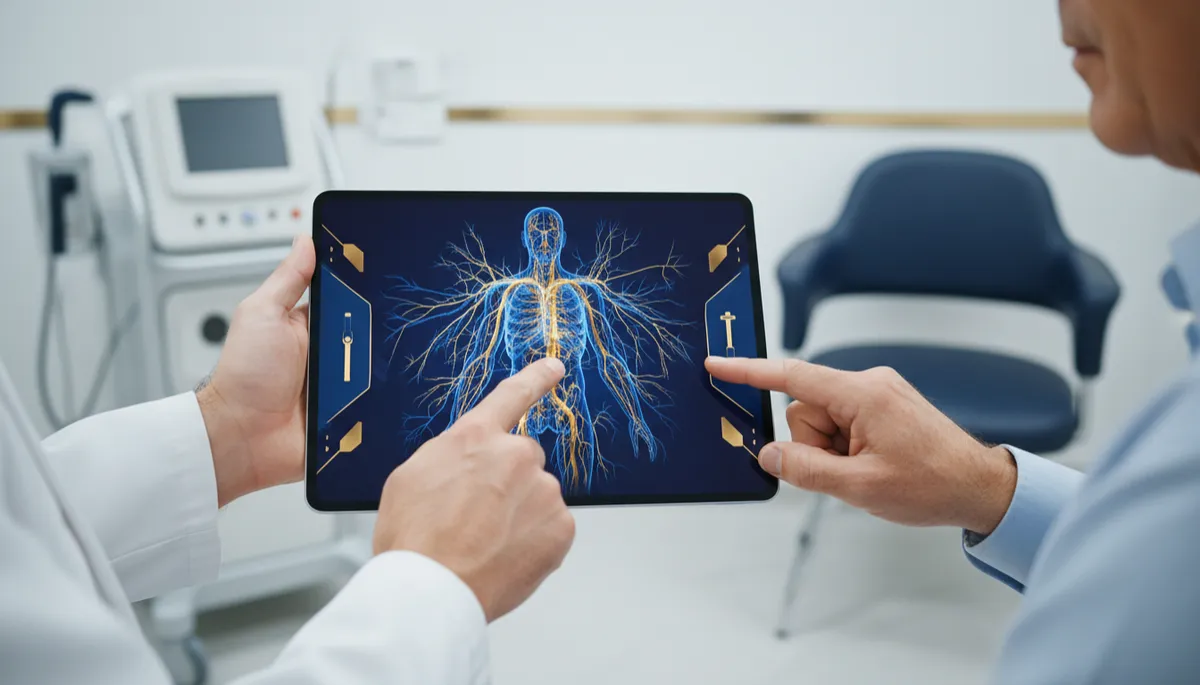
Clear education helps patients understand how regenerative biologics may support nerve repair.
Exosomes: Tiny Messengers That Influence Nerve Signaling
One of the most exciting areas in regenerative medicine involves exosomes. Exosomes are microscopic, membrane-bound particles released by cells. They carry proteins, lipids, and genetic material that act as instructions or “messages” to other cells in the body. In the context of nerve damage, exosomes can influence how nerve cells communicate and respond to injury.
When used as part of a biologic strategy, exosomes may:
- Deliver signaling molecules that encourage nerves to repair damaged segments and restore proper signal transmission
- Help regulate inflammatory responses around nerves, decreasing the chemical “noise” that contributes to neuropathic pain
- Support healthier communication between nerve cells and supporting cells in the surrounding tissue
In simple terms, exosomes act like highly targeted text messages between cells, helping coordinate healing responses. By incorporating exosome-rich biologics into neuropathy treatment plans, regenerative clinics aim to influence nerve signaling in a more precise, biologically intelligent way than is possible with traditional pain medications alone.
What to Expect from a SymbioStem™ Neuropathy Consultation in Santa Clarita
For many patients, the first step toward drug-free peripheral neuropathy relief is a thorough evaluation. At SymbioStem™ in Santa Clarita, the consultation process is designed to understand your unique history, current symptoms, and goals, then determine whether regenerative biologics are an appropriate option for you.
Step 1: Detailed History and Symptom Review
Your provider will ask about when your neuropathy symptoms began, how they have progressed, and what treatments you have tried so far. They will review your medical history, including diabetes, surgeries, injuries, medications, and other conditions that may influence nerve health. This careful review helps differentiate peripheral neuropathy from other causes of leg or foot pain, such as vascular disease or spinal stenosis.
Step 2: Physical and Neurological Examination
A focused exam typically includes testing sensation (light touch, vibration, temperature), reflexes, muscle strength, and balance. Your provider may also evaluate posture, gait, and areas of tenderness or restriction around the feet, ankles, knees, and lower back. These findings help map out which nerves are involved and how severe the impairment may be.
Step 3: Review of Prior Testing and Imaging
If you have had nerve conduction studies, EMG tests, X-rays, MRIs, or lab work, bring them to your appointment. The SymbioStem™ team will review these results to better understand the extent of nerve damage, rule out other conditions, and identify areas where regenerative biologics might be most beneficial.
Step 4: Personalized Regenerative Treatment Plan
If you are a candidate, your provider will explain how SymbioStem™ uses biologics and exosomes as part of a comprehensive neuropathy treatment strategy. This may include targeted biologic injections near affected nerves or joints, supportive therapies to improve circulation and tissue health, and guidance on lifestyle factors—such as blood sugar control, activity, and nutrition—that influence nerve recovery. They may also discuss how advanced options like stem cell therapy fit into a broader regenerative care plan.
Step 5: Setting Realistic Expectations and Follow-Up
Regenerative medicine is not an overnight fix. Your provider will discuss expected timelines, the number of sessions recommended, and how progress will be monitored. Many patients begin to notice changes in pain levels, sensitivity, or stability over weeks to months as nerve signaling gradually improves. Follow-up visits allow the team to track your response and adjust your plan as needed.
Is Regenerative Neuropathy Treatment Right for You?
Not every patient is an ideal candidate for biologic or exosome-based therapies. Factors such as the underlying cause of your neuropathy, the degree of nerve damage, your overall health, and your goals all matter. However, for many adults 55+ in Santa Clarita who are frustrated with medications that only dull symptoms—or who cannot tolerate the side effects—regenerative medicine offers a promising, drug-free avenue to explore.
If you are experiencing burning, tingling, numbness, or weakness that limits your mobility and enjoyment of life, it may be time to consider a more proactive approach to nerve health. A professional evaluation can help determine whether regenerative biologics could play a role in your care plan, either alongside or as an alternative to traditional neuropathy medications, and what the potential cost of advanced therapies might be.
Take the Next Step Toward Drug-Free Neuropathy Relief in Santa Clarita
Living with peripheral neuropathy does not have to mean resigning yourself to a lifetime of burning pain, numb feet, and increasing dependence on medications. Regenerative biologics and exosomes represent an advanced, biologically focused approach to nerve damage—aiming to calm inflammation, support nerve regeneration, and improve function so you can stay active and independent longer.
If you are in or near Santa Clarita and are searching for neuropathy treatment options that go beyond symptom-masking drugs, the team at SymbioStem™ is ready to help you explore whether regenerative medicine is appropriate for your situation. A personalized consultation can provide clarity, answer your questions, and outline a plan tailored to your health history and goals.
Taking the first step toward addressing nerve damage now—rather than waiting for symptoms to worsen—may help preserve your mobility, confidence, and independence in the years ahead. Reach out to learn how regenerative biologics and exosomes could fit into a comprehensive plan for long-term peripheral neuropathy relief.
Frequently Asked Questions
Can regenerative medicine treat peripheral neuropathy?
Yes — SymbioStem uses stem cell therapy and targeted regenerative protocols to address peripheral neuropathy by reducing nerve inflammation, promoting nerve tissue repair, and improving circulation to damaged nerves. Dr. Craig evaluates each patient's neuropathy type and severity to determine the most appropriate treatment approach.
What neuropathy symptoms can regenerative medicine help?
Common symptoms that may respond to regenerative medicine include burning or tingling in the hands and feet, numbness, weakness, sharp shooting pains, and loss of balance or coordination. SymbioStem treats neuropathy from multiple causes, including diabetic neuropathy, chemotherapy-induced neuropathy, and idiopathic neuropathy.
How does stem cell therapy work for neuropathy?
Stem cell therapy for neuropathy introduces regenerative cells that release anti-inflammatory signals and growth factors to damaged nerve tissue. This process can help repair the myelin sheath protecting nerve fibers, improve nerve conduction, and reduce the chronic pain and dysfunction caused by neuropathy.
Is stem cell therapy for neuropathy safe?
Yes — when administered by a board-certified physician using FDA-compliant biologics, stem cell therapy for neuropathy is considered safe. At SymbioStem, Dr. Micah Craig follows rigorous medical protocols and conducts a thorough patient evaluation before any treatment is administered.
How do I find out if stem cell therapy can help my neuropathy in Santa Clarita?
Schedule a consultation with Dr. Micah Craig at SymbioStem by calling (661) 467-0243 or booking online at symbiostem.com. Dr. Craig will evaluate your neuropathy history, severity, and underlying causes to determine whether regenerative medicine can provide meaningful relief for your condition.