
Chronic Pain Solutions Beyond Meds in Santa Clarita
Chronic Pain, Regenerative Medicine, Santa Clarita
5 Signs Your Chronic Pain Needs More Than Medication
If you are over 55 and have relied on chronic pain medication for years, it can feel as though pills are the only thing standing between you and unbearable discomfort. Yet for many adults in Santa Clarita, there comes a point when medication-only care stops working—and may even be keeping you from a better, longer-lasting solution. This guide will help you recognize when it is time to look beyond prescriptions and consider a regenerative medicine alternative that addresses the root of your joint pain.
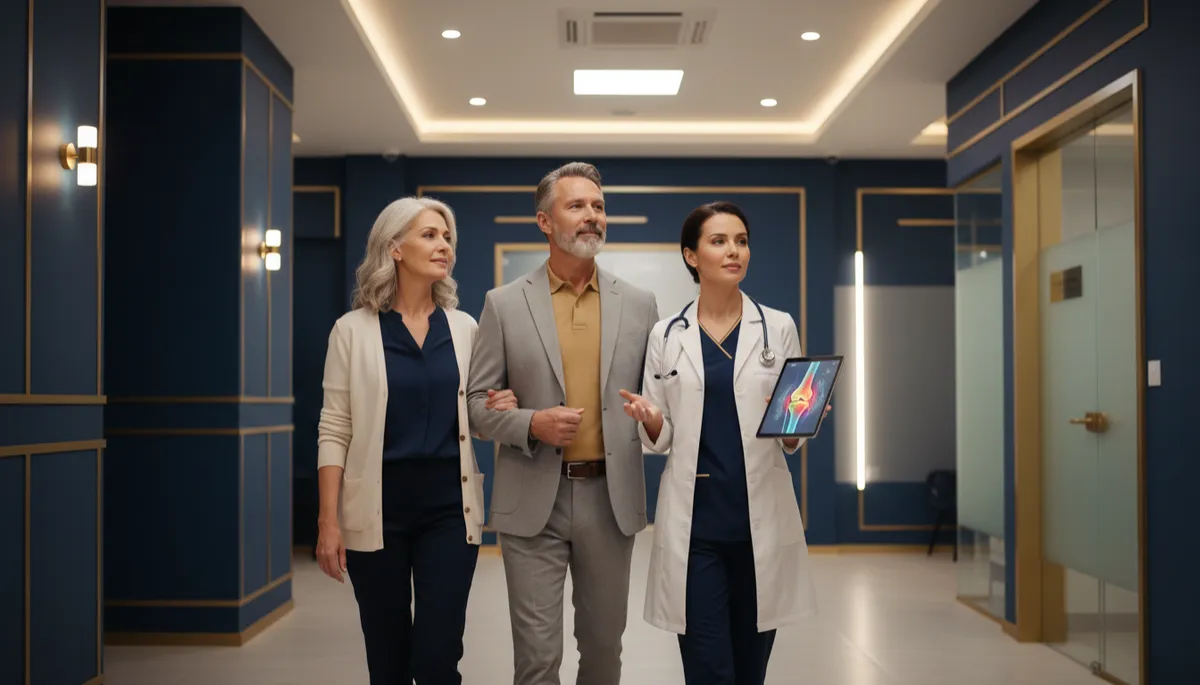
When Chronic Pain Medication Is No Longer Enough
Chronic pain medication can be helpful in the short term. It may reduce inflammation, take the edge off severe joint pain, and help you get through the day. However, most medications are designed to mask symptoms, not repair damaged tissue. Over time, this gap between symptom relief and true healing becomes more obvious—especially with conditions like osteoarthritis, knee, hip, and shoulder degeneration, or long-standing back pain.
If any of the following signs sound familiar, it may be time to explore a regenerative medicine alternative such as stem cell therapy, exosomes, or other biologics available here in Santa Clarita through SymbioStem™.
Sign 1: Your Pain Is Stealing Your Sleep
One of the clearest indicators that medication-only management is not working is when pain regularly wakes you up—or keeps you from falling asleep altogether. You may notice:
- Throbbing knees or hips when you roll over in bed
- Burning or tingling in your legs or feet that worsens at night
- Needing to take an extra dose of medication just to get a few hours of rest
Poor sleep does more than leave you tired. It slows healing, raises inflammation, and can worsen joint pain over time. If your chronic pain medication can no longer provide restful nights, it is a sign that the underlying damage in your joints or nerves is progressing despite the pills.
Sign 2: You Are Losing Mobility and Independence
Another red flag is a gradual loss of mobility—despite staying on your usual medications. Common examples include:
- Struggling with stairs you once climbed easily
- Avoiding walks around your Santa Clarita neighborhood due to knee or hip pain
- Needing help to get out of chairs, cars, or bed
When movement becomes limited, muscles weaken and joints stiffen even more. This cycle often accelerates joint degeneration and increases your reliance on pain medication. If your world is getting smaller because of pain, it is time to look for a joint pain treatment that aims to restore function, not just dull the ache.
Sign 3: You Need Higher Doses or More Frequent Refills
Over time, many people find that the same dose of chronic pain medication does not provide the same level of relief. You may notice:
- Asking your doctor about stronger prescriptions or additional drugs
- Refilling medications earlier than before
- Shorter windows of relief between doses
This pattern can signal tolerance, ongoing joint degeneration, or both. Increasing doses may temporarily help, but they also raise the risk of side effects, including stomach issues, kidney strain, and dependence—especially with long-term opioid use. When you find yourself chasing relief with higher doses, it is a strong indication that you need a different strategy aimed at the source of the pain.
Sign 4: You Are Missing the Activities You Love
Perhaps the most painful loss is not physical—it is emotional. Many adults in their late 50s, 60s, and beyond find themselves saying “no” to the things that once brought joy:
- Skipping outings with grandchildren because walking or standing is too hard
- Giving up golf, gardening, or tennis due to knee or shoulder pain
- Turning down travel because you cannot tolerate long walks or stairs
If pain is forcing you to build your life around your medications and your limitations, your current plan is not truly serving you. Modern joint pain treatment should aim to help you return to meaningful activities—not just survive the day on the couch.
Sign 5: You Feel Hopeless About the Future
Chronic pain does not only affect the body; it also impacts your outlook. Many long-term medication users describe feeling:
- Afraid of becoming “a burden” to family members
- Trapped in a cycle of refills, side effects, and flare-ups
- Convinced that surgery or a wheelchair are the only options left
Feeling hopeless is a powerful signal that something needs to change. While no treatment can guarantee a cure, advances in regenerative biologics are giving many people in your age group new options for meaningful improvement—especially when traditional chronic pain medication has reached its limit.
Why Masking Pain with Medication Does Not Stop Joint Degeneration
Most chronic pain medications—whether over-the-counter anti-inflammatories or prescription drugs—work by interrupting pain signals or reducing inflammation. While this can be extremely helpful during a flare-up, it does not change what is happening inside the joint itself. In conditions like osteoarthritis, for example, the cartilage that cushions your bones gradually wears away. Inflammation, micro-tears, and reduced blood flow all contribute to ongoing damage.
Research on regenerative medicine for chronic pain has highlighted that pain relief alone does not halt this degenerative process. The underlying tissues—cartilage, ligaments, tendons, and surrounding structures—may continue to deteriorate even when your symptoms are temporarily controlled. In fact, some people become more active than their joints can safely handle because the pain is masked, potentially accelerating wear and tear without realizing it.
In other words, medication can make you feel better without making you heal better. That is why many experts are now looking toward regenerative biologics—treatments designed to support the body’s own repair processes—as a complementary or alternative approach to long-term medication use.
How Regenerative Biologics Address the Root Causes of Chronic Pain
Regenerative biologics is a term that includes therapies such as stem cell therapy, platelet-rich plasma (PRP), and exosomes. Instead of simply blocking pain, these treatments aim to create a more favorable environment for healing within the joint or injured tissue. According to current literature on regenerative medicine for chronic pain, these therapies may:
- Reduce chronic inflammation that drives joint degeneration
- Deliver growth factors and signaling molecules that support tissue repair
- Encourage the regeneration of cartilage, ligaments, and other supportive structures
For example, stem cell therapy may introduce cells capable of differentiating into various tissue types and secreting repair-promoting factors. PRP uses a concentrated portion of your own blood rich in platelets to deliver growth factors directly to damaged areas. Exosomes, tiny vesicles derived from stem cells, can carry powerful regenerative signals that influence local cells and reduce inflammation. Studies suggest that these therapies, alone or in combination, may offer more durable improvement in pain and function than medication alone for certain patients.
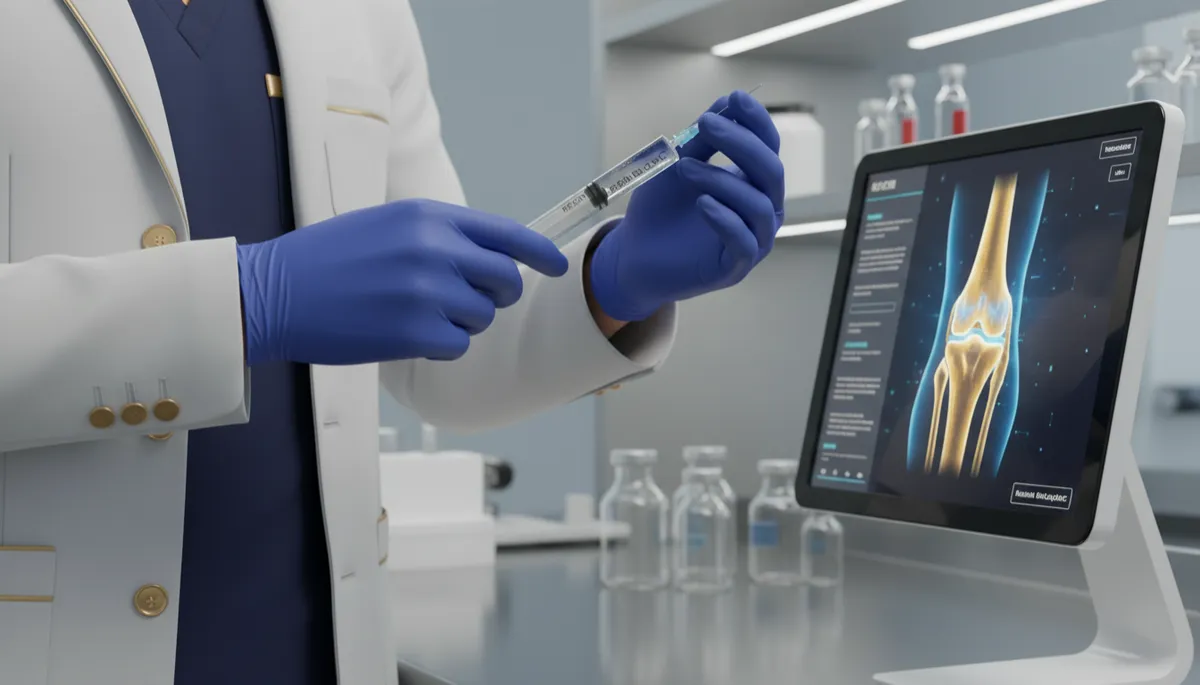
Targeted biologic injections can support tissue repair and reduce chronic joint pain.
While results vary and no therapy can guarantee complete regeneration, many patients report long-lasting reductions in pain, improved mobility, and a decreased need for chronic pain medication after carefully planned regenerative treatment protocols.
What SymbioStem™ Offers Adults 55+ in Santa Clarita
SymbioStem™ in Santa Clarita focuses on concierge-style regenerative medicine for patients seeking more than traditional chronic pain medication. Located at 28532 La Madrid Drive, Unit A, Suite 120, the clinic provides both in-office care and the option of home or workplace visits throughout the Santa Clarita area for added convenience and privacy—an important benefit for older adults managing chronic pain.
Under the leadership of Dr. Micah Craig, MD, a board-certified internal medicine physician with advanced training in biochemistry, and Natalie Chovan‑Hahn, MSN, FNP, a Family Nurse Practitioner specializing in regenerative and longevity medicine, SymbioStem™ offers a range of biologic and supportive therapies, including:
- Stem cell therapy and exosome therapy for joint pain and degeneration
- Regenerative injections for knees, shoulders, hips, and other problem joints
- Neuropathy-focused protocols for nerve pain and numbness in the feet or hands
- IV infusions, peptide therapy, and metabolic support to address whole-body inflammation and healing capacity
The SymbioStem™ process is structured in four steps designed to be clear and supportive for older adults:
- Consultation: A detailed review of your pain history, medications, imaging, and goals—such as walking without a cane, playing with grandchildren, or avoiding joint replacement surgery.
- Custom Plan: A personalized regenerative medicine plan that may include stem cell therapy, exosomes, PRP, or combination therapies tailored to your joints and overall health.
- Treatment: Precise, image-guided injections in the clinic or, when appropriate, in the comfort of your home or office, along with supportive therapies like IV infusions and peptides.
- Recovery: Ongoing monitoring, follow-up visits, and adjustments to your plan as your body responds and heals.
Real-world case examples from SymbioStem™ include patients in their late 50s and early 60s who experienced dramatic reductions in knee osteoarthritis pain, improved mobility, and the ability to return to walking, tennis, and other activities without relying solely on chronic pain medication. While individual results vary, these stories illustrate what may be possible when joint pain treatment focuses on regeneration rather than simply masking symptoms. To learn more about the conditions SymbioStem™ can help, explore their full regenerative care offerings.
Making Advanced Joint Pain Treatment Affordable: CareCredit and Cherry
Understandably, many adults 55+ are concerned about the cost of regenerative therapies, especially when living on a fixed income or planning for retirement. SymbioStem™ helps make these advanced options more accessible by offering financing through CareCredit and Cherry, two widely used healthcare financing partners.
CareCredit: A Healthcare Credit Card
CareCredit functions as a dedicated health and wellness credit card. It offers promotional financing for qualified purchases, often with no interest if paid in full within a set period. This can be helpful if you prefer to spread the cost of your regenerative medicine alternative over several months while keeping payments manageable. However, it is important to understand that if the balance is not paid in full by the end of the promotional period, interest may be charged retroactively from the date of purchase. Reviewing the terms carefully and planning your payoff schedule are essential.
Cherry: Transparent Installment Plans
Cherry offers simple, clear installment plans that many patients find easier to understand. Applications typically involve a soft credit check with instant decisions, and approved patients can break their treatment costs into monthly payments over several months or years. For qualified applicants, Cherry may provide true 0% APR options—meaning no hidden or deferred interest. There are usually no application fees or penalties for paying off your balance early, which can be reassuring if you want flexibility and transparency.
Is It Time to Look Beyond Medication for Your Chronic Pain?
If you recognize yourself in any of the five signs—trouble sleeping, loss of mobility, needing higher doses, missing out on life, or feeling hopeless—your current plan is not giving you the future you deserve. You do not have to accept that the rest of your life will revolve around prescriptions, refills, and limitations. Modern regenerative medicine offers new possibilities for joint pain treatment, neuropathy, and other chronic conditions that once seemed unchangeable.
At SymbioStem™ in Santa Clarita, the focus is on helping you move from simply coping with pain to actively addressing its root causes—using advanced biologics, personalized protocols, and concierge-level support. Whether you are exploring stem cell therapy for your knees, exosomes for shoulder degeneration, or comprehensive regenerative care for multiple joints, the first step is a thoughtful, one-on-one consultation.
Take the Next Step: Schedule a Consultation with SymbioStem™
You have spent years managing your pain with medication. Now it may be time to ask what your life could look like with a more active, regenerative approach. If you live in or near Santa Clarita and are ready to explore options beyond chronic pain medication, the team at SymbioStem™ is here to help you make an informed, confident decision.
Call SymbioStem™ today at 661-467-0243 or visit symbiostem.com to schedule your consultation. Ask about financing through CareCredit and Cherry, and discover whether regenerative biologics could be the next step in your journey toward less pain, more movement, and a more hopeful future.
Frequently Asked Questions
What are the alternatives to medication for chronic pain management?
Regenerative medicine offers effective alternatives to long-term medication for chronic pain, including stem cell therapy, PRP injections, and personalized wellness protocols. At SymbioStem, Dr. Micah Craig designs treatment plans that address the root cause of pain — not just the symptoms — using minimally invasive, drug-free regenerative approaches.
Is stem cell therapy a viable option for long-term chronic pain relief?
Yes — many SymbioStem patients experience sustained pain relief from stem cell therapy lasting 2 to 5 years or more. Unlike medication, which must be taken continuously and often loses effectiveness over time, regenerative treatments aim to repair the underlying tissue damage that is causing the pain.
What chronic pain conditions does SymbioStem treat without medication?
SymbioStem treats a wide range of chronic pain conditions with regenerative medicine, including joint arthritis, back pain, hip pain, knee pain, shoulder injuries, neuropathy, and sports-related injuries. Dr. Craig evaluates each patient individually to determine the most effective drug-free treatment approach.
What are the risks of relying on pain medications long-term?
Long-term use of pain medications — including NSAIDs, opioids, and cortisone injections — carries risks such as gastrointestinal damage, dependency, tolerance buildup, cartilage degradation, and systemic side effects. Regenerative medicine offers a safer pathway to durable pain relief without these cumulative risks.
How do I start a drug-free chronic pain treatment plan at SymbioStem?
Call SymbioStem at (661) 467-0243 or visit symbiostem.com to schedule a consultation with Dr. Micah Craig. He will review your pain history, current medications, imaging, and treatment goals to design a personalized, drug-free regenerative medicine protocol for lasting relief.