
Winter Joint Pain Relief in Santa Clarita
Health, Joint Pain, Regenerative Medicine, Santa Clarita
The Science of Inflammation: Why Your Joints Hurt More in Winter
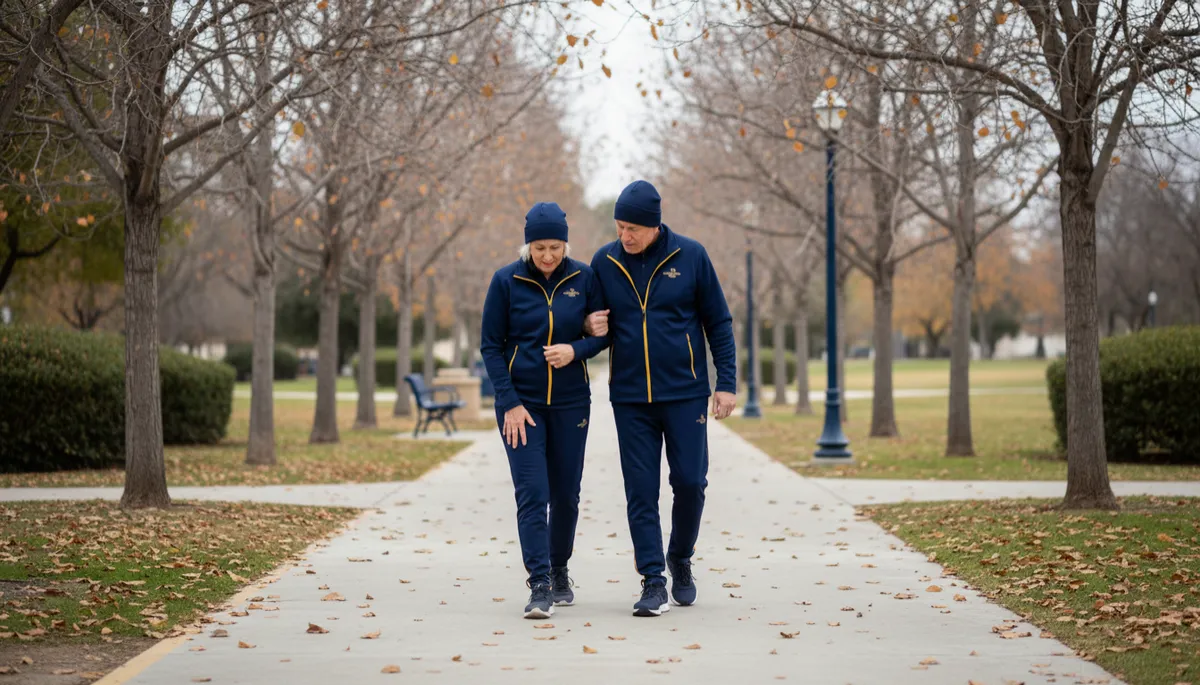
If your knees, hips, shoulders, or hands seem to ache more when the temperature drops in Santa Clarita, you are not imagining it. Winter can intensify joint pain, especially for adults 55+ already living with arthritis or chronic inflammation. Understanding the science behind this seasonal discomfort—and how modern regenerative medicine can help—empowers you to make informed choices about long-term relief.
What Is Inflammation—and Why It Targets Your Joints
Inflammation is your body’s built-in defense system. When tissue is injured or irritated, your immune system sends specialized cells, proteins, and chemical messengers to the area. This response helps clear damaged cells and begin repair. In the joints, inflammation often focuses on the synovial lining—the thin tissue that produces lubricating fluid—and on the cartilage that cushions bones where they meet and move.
Under healthy conditions, this process is tightly controlled. The body sends inflammatory signals when needed, then turns them off once healing has begun. The joint remains smooth, well-lubricated, and able to move without pain. Problems arise when the inflammatory response becomes exaggerated, prolonged, or misdirected, as in many types of arthritis and joint degeneration common in older adults.
Acute vs. Chronic Inflammation: Short-Term Defense vs. Long-Term Damage
Not all inflammation is harmful. Distinguishing between acute and chronic inflammation is essential for understanding why joint pain winter symptoms can feel so relentless—and why long-term strategies matter more than quick fixes.
Acute inflammation: The body’s first responder
Acute inflammation is the rapid, short-term response you might notice after twisting an ankle or bumping your knee. The area becomes red, warm, and swollen as blood flow increases and immune cells flood the region. Pain is part of the body’s protective strategy—it reminds you to rest so healing can occur. Within days or weeks, the inflammatory signals quiet down and the tissue recovers. In this context, inflammation is helpful and necessary.
Chronic inflammation: When the alarm never turns off
Chronic inflammation is different. Instead of resolving, the inflammatory process lingers at a low or moderate level for months or years. In the joints, this ongoing irritation can slowly erode cartilage, thicken the synovial lining, and stiffen surrounding ligaments and tendons. Over time, the joint loses its smooth surfaces and begins to grind or catch, leading to pain, swelling, and reduced mobility—even on days when you have not overexerted yourself.
Many adults in Santa Clarita experience chronic inflammation due to osteoarthritis, previous injuries, repetitive stress, or autoimmune conditions. This background inflammation sets the stage for why winter weather changes can feel so harsh on aging knees, hips, shoulders, and hands.
Why Cold Weather and Barometric Pressure Make Joint Pain Worse
Many people notice that their joint pain winter symptoms flare up before a storm or on brisk mornings, even in a relatively mild climate like the Santa Clarita Valley. While research is ongoing, several factors likely contribute to this seasonal increase in discomfort.
The role of barometric pressure
Barometric pressure is the weight of the air pressing down on your body. When a cold front or storm system moves in, barometric pressure often drops. This subtle change can allow tissues in and around the joints to expand slightly. For a healthy joint, this shift may be barely noticeable. However, in a joint already affected by arthritis or chronic inflammation, even small changes in tissue pressure can stretch sensitive nerve endings and worsen pain or stiffness.
Cold temperatures and stiff tissues
Cold weather can also cause muscles, tendons, and ligaments to tighten. When the surrounding tissues are less flexible, joints may feel more restricted and painful. Reduced temperature may slightly thicken joint fluid, making movement feel “rusty,” especially first thing in the morning or after sitting for a long period. Adults 55+ often describe this as needing extra time to “warm up” their joints before they can walk comfortably or climb stairs.
Reduced activity and circulation in winter months
Shorter days and cooler temperatures can lead to less physical activity. When you move less, circulation slows, muscles weaken, and joints receive less of the natural lubrication that comes from regular motion. For individuals already living with chronic inflammation, this reduced activity can contribute to increased stiffness and pain, creating a cycle that is hard to break without targeted support.
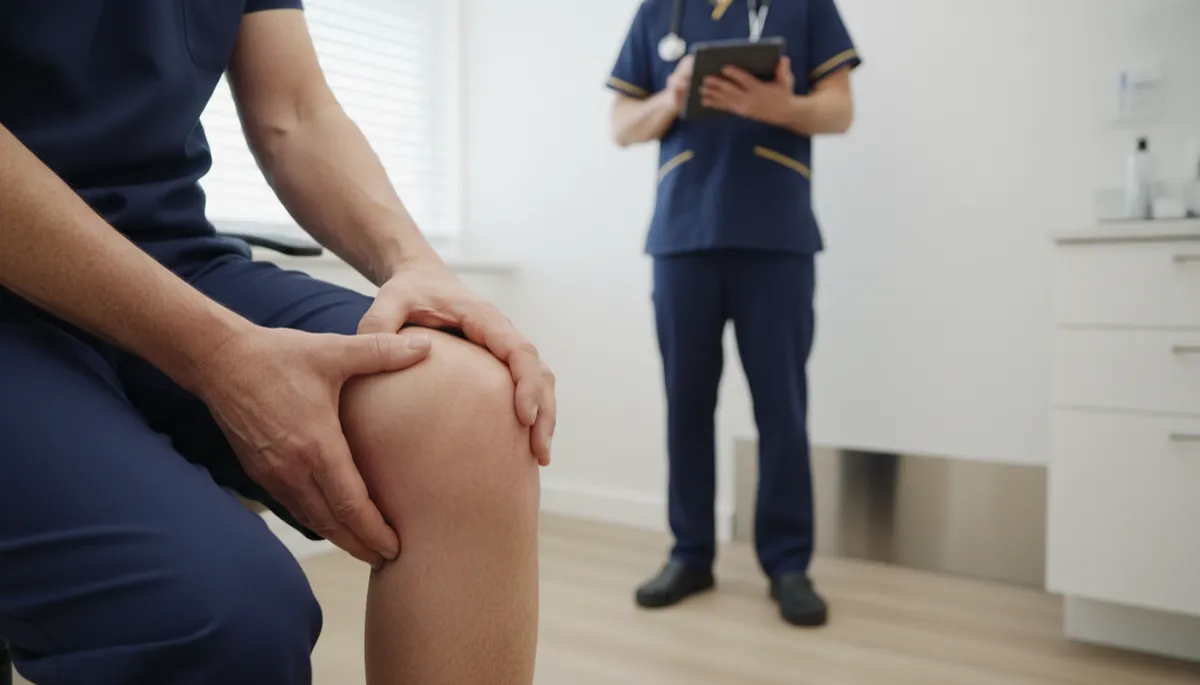
Winter weather often unmasks underlying joint damage made worse by chronic inflammation.
Why Traditional Pain Relief Often Only Masks the Problem
Over-the-counter pain relievers, anti-inflammatory medications, and even steroid injections can offer short-term relief. They work primarily by blocking pain signals or suppressing inflammatory chemicals. While this can be helpful in the moment—especially during a sudden flare—it does not address the underlying structural damage or the ongoing cycle of chronic inflammation within the joint itself.
For many adults in Santa Clarita, this leads to a frustrating pattern: pain medication, temporary relief, return of symptoms, and gradual progression of arthritis or joint degeneration. Over time, higher doses or stronger medications may be needed, sometimes with unwanted side effects. This is why more patients are seeking options that aim to support the body’s own repair processes rather than simply covering up the pain.
Regenerative Medicine and Biologics: Working With Your Body, Not Against It
Regenerative medicine focuses on helping the body repair, replace, or restore damaged tissues. Instead of simply blocking pain signals, regenerative approaches use cells, growth factors, and other biologically active substances—often referred to as biologics—to support healing at the source of the problem. In the context of joint pain winter flare-ups and chronic inflammation, this can mean encouraging healthier cartilage, calmer synovial tissue, and more balanced inflammatory signaling within the joint environment.
How regenerative biologics signal the body to reduce inflammation at the source
Regenerative biologics are typically concentrated preparations derived from living cells or tissues. They may contain a combination of growth factors, signaling proteins, and, in some cases, stem-cell–related components. When precisely injected into a damaged or arthritic joint, these biologics can act like a sophisticated set of instructions, telling the body where to focus its repair efforts and how to calm excessive inflammation.
Rather than forcing the joint to stop hurting through chemical suppression, regenerative biologics aim to:
- Modulate inflammatory signals so the response becomes more balanced instead of chronically overactive
- Support tissue repair in cartilage, ligaments, and surrounding structures that have been worn down over time
- Enhance the joint microenvironment, making it more conducive to healing and less prone to ongoing irritation
- Potentially slow the progression of joint degeneration, rather than simply dulling symptoms
In this way, regenerative biologics and stem cell therapy approaches are designed to work with your body’s natural healing capacity. For many patients, this represents a shift from chasing temporary relief to pursuing more durable improvements in joint function and comfort—throughout the year, not just during the warmer months.
Conditions Treated at SymbioStem™ in Santa Clarita
At SymbioStem™, serving adults in the Santa Clarita Valley and surrounding communities, regenerative medicine and biologic therapies are used to address a range of joint-related conditions that often worsen with age and cold weather. While each patient’s situation is unique, many seek care for the following concerns:
Arthritis and osteoarthritis
Osteoarthritis is the most common form of arthritis in older adults. It involves gradual wear and tear of the cartilage that cushions your joints. As cartilage thins, bones may rub more directly against each other, triggering chronic inflammation, stiffness, and pain. Many patients notice their osteoarthritis symptoms intensify during winter, especially in weight-bearing joints like the knees and hips, or in frequently used joints such as the hands and shoulders.
Regenerative biologics and stem cell therapy–related treatments at SymbioStem™ are designed to support the joint environment, potentially helping to reduce chronic inflammation and improve function for patients with mild to moderate osteoarthritis who want to delay or avoid more invasive procedures.
Joint degeneration from age, activity, or prior injury
Even without a formal arthritis diagnosis, many adults 55+ experience joint degeneration over time. Old sports injuries, repetitive work, or years of caring for family and home can leave the knees, hips, shoulders, and spine vulnerable to chronic inflammation and mechanical wear. When winter arrives in Santa Clarita, these underlying issues may become more noticeable, with increased stiffness in the morning, difficulty with stairs, or discomfort after walking or standing for longer periods.
By using regenerative medicine techniques, SymbioStem™ aims to address the underlying tissue changes that contribute to this degeneration. The goal is to improve joint health from the inside out, not just to provide a temporary numbing effect.
Other inflammatory joint and soft tissue conditions
In addition to arthritis and general joint degeneration, some patients seek biologic therapies for related conditions such as chronic tendon irritation, ligament injuries, or persistent pain following surgery. While not every condition is appropriate for regenerative approaches, a thorough evaluation can help determine whether biologics or stem cell therapy–oriented options may be part of an individualized care plan.
Living in Santa Clarita With Winter Joint Pain: Practical Steps You Can Take
While regenerative medicine offers promising options, daily habits still play a meaningful role in how your joints feel—especially during cooler months in the Santa Clarita Valley. Consider incorporating the following strategies alongside any medical treatment plan:
- Stay gently active: Low-impact activities such as walking, stationary cycling, or water-based exercise help maintain joint lubrication and muscle support without excessive strain.
- Dress warmly: Keeping joints and surrounding muscles warm—especially knees, hips, and hands—can reduce stiffness and protect against sudden temperature changes.
- Maintain a healthy weight: Every extra pound can put additional pressure on weight-bearing joints, amplifying the impact of chronic inflammation over time.
- Support overall health: Adequate sleep, balanced nutrition, and stress management all influence how your immune system behaves—and how intensely it drives inflammation.
These steps may not eliminate joint pain winter symptoms on their own, but they can complement regenerative biologics and other therapies, helping you maintain more consistent comfort and mobility throughout the year, from the coldest days to the warmer months.
Is Regenerative Medicine Right for Your Winter Joint Pain?
Every person’s health story is different. Factors such as the severity of arthritis, the extent of joint degeneration, overall medical history, and personal goals all influence whether regenerative biologics or stem cell therapy–style treatments are appropriate. A careful, individualized evaluation is essential to determine what options may be realistic and beneficial for your specific situation.
For adults 55+ in Santa Clarita who are frustrated by chronic inflammation, increasing dependence on pain medications, or the way winter seems to magnify every ache, exploring regenerative medicine can be an important next step. By focusing on the underlying biology of joint health—rather than just chasing symptoms—many patients find a renewed sense of control over their mobility and quality of life.
Take the Next Step: Speak With SymbioStem™ in Santa Clarita
You do not have to simply “tough out” joint pain every winter or accept that increasing stiffness is an unavoidable part of aging. If you are interested in learning how regenerative medicine and biologics may help address chronic inflammation and joint degeneration at the source, a conversation with a knowledgeable team can provide clarity and direction.
SymbioStem™ serves adults in the Santa Clarita Valley who are seeking advanced, medically guided options for arthritis, joint degeneration, and persistent joint pain. To discuss whether biologic therapies or stem cell therapy–related approaches may be appropriate for you, contact the clinic directly:
- Call 661-467-0243 to schedule a consultation
- Visit symbiostem.com to learn more about available regenerative medicine options in Santa Clarita
If your joints are telling you that something is not right, especially when the temperature drops or a storm is on the horizon, it may be time to listen. Reach out to SymbioStem™ at 661-467-0243 or visit symbiostem.com to explore how science-based regenerative care may help you address chronic inflammation and reclaim more comfortable movement—this winter and beyond.
Frequently Asked Questions
Why does joint pain get worse in cold weather?
Cold temperatures cause muscles and tendons to tighten, reducing joint flexibility and increasing stiffness and pain. Changes in barometric pressure that accompany cold weather also cause joint tissues to expand and contract, triggering increased inflammation and pain sensitivity — especially in arthritic joints.
What is the connection between inflammation and winter joint pain?
Inflammatory cytokines — the chemical messengers that drive joint pain — can be amplified by cold temperatures and reduced physical activity in winter. For people with arthritis or joint degeneration, this seasonal increase in inflammation is one of the primary reasons winter pain feels more severe.
How can regenerative medicine relieve winter joint pain?
Regenerative medicine at SymbioStem directly targets the inflammation and tissue damage driving winter joint pain. Stem cell therapy and PRP injections reduce chronic inflammation, promote cartilage repair, and restore joint function — providing durable relief that extends well beyond the winter season.
Are there lifestyle changes that help reduce joint pain in winter?
Yes — staying physically active, maintaining a healthy weight, applying heat to affected joints, and ensuring adequate vitamin D levels can help manage winter joint pain. However, for those with underlying joint degeneration or arthritis, regenerative medicine addresses the structural cause of pain in ways lifestyle changes alone cannot achieve.
How do I get relief from winter joint pain with regenerative medicine in Santa Clarita?
Call SymbioStem at (661) 467-0243 or visit symbiostem.com to schedule a consultation with Dr. Micah Craig. He will assess your joints and design a personalized regenerative treatment plan to help you stay active and pain-free this winter and beyond.