Exosome Therapy Research Insights 2026 Guide
Regenerative Medicine, Exosome Therapy, Santa Clarita
Exosome Therapy — What the Research Actually Says (2026 Guide)
If you are the kind of person who reads the studies before you book an appointment, you have probably noticed that exosome therapy is everywhere online right now. Some clinics promise miracle cures; critics dismiss it as unproven hype. The truth, as usual, sits in the middle — and it is evolving quickly as new data emerge through 2026.
At SymbioStem™ in Santa Clarita, we work with analytically minded adults every day — people who are curious about regenerative medicine but unwilling to gamble on hype. This 2026 guide walks through what exosomes are, how exosome IV treatment is thought to work, what the latest research actually shows, and what you can realistically expect if you explore exosome therapy in Santa Clarita. All information here is FDA-conscious: we will not claim cures, and we will be clear about where the evidence is still emerging.
What Are Exosomes? Plain-English Cell Biology
Exosomes are tiny membrane-bound packets that cells naturally release to communicate with one another. You can think of them as microscopic “delivery vesicles” carrying messages between cells in the form of proteins, lipids, and genetic material such as RNA. They belong to a broader family called extracellular vesicles (EVs).
In healthy tissue, exosomes help coordinate normal repair and adaptation: immune cells use them to modulate inflammation, and stem cells use them to influence neighboring cells without physically turning into new tissue themselves. This has led researchers to ask a key question: Can we harness or concentrate these natural signaling packets to support healing and tissue wellness?
Modern exosome products are typically derived from cultured cells (often mesenchymal stromal cells, or MSCs), then processed to isolate the vesicles and remove cellular debris. Scientific groups maintain databases such as ExoCarta to catalog exosome contents and behavior, and 2026 reviews describe increasingly sophisticated tools — including AI models — to analyze and classify these vesicles at a molecular level. 1
How Does Exosome Therapy Work?
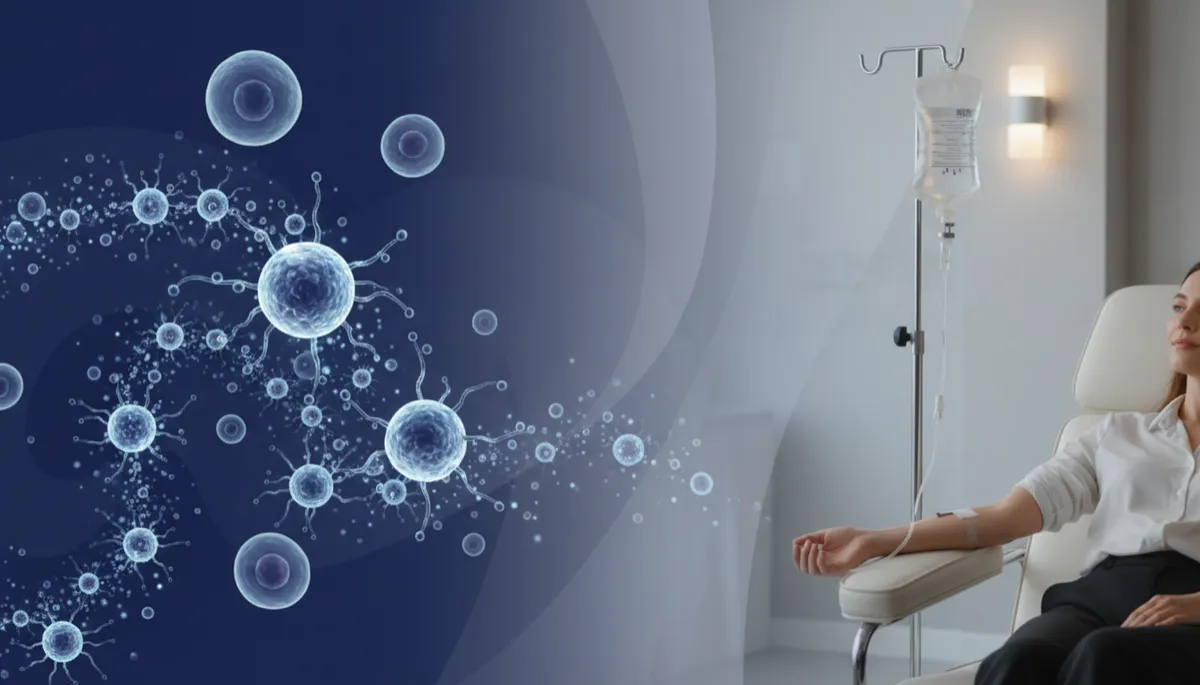
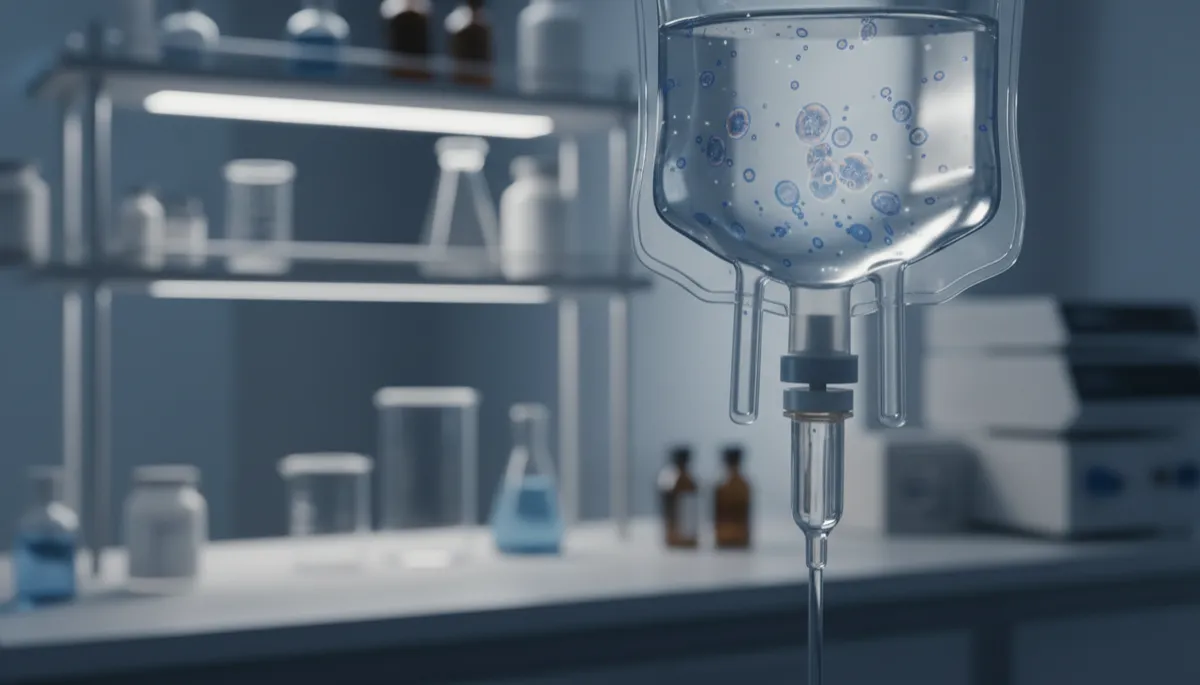
When clinics talk about exosome IV treatment or injectable exosome therapy, they are generally referring to a concentrated preparation of exosomes suspended in a sterile solution. The product is administered intravenously or locally (for example, around a joint or into the skin) with the goal of supporting the body’s own repair and signaling processes, not replacing organs or claiming to cure disease.
In preclinical models, exosomes appear to influence several key pathways:
- Inflammation modulation: Some exosomes from MSCs can shift immune cells toward a less inflammatory state, which may help create a more favorable environment for tissue maintenance and repair. 2
- Cellular communication: Exosomes deliver microRNAs and proteins that can nudge recipient cells toward increased growth factor production, improved blood vessel formation, or more balanced scarring responses, depending on the context. 3
- Regenerative signaling without whole cells: Instead of transplanting living stem cells, exosome approaches aim to provide the signals those cells naturally send, in a more controlled and potentially safer format.
Importantly, exosomes are not magic bullets. They do not rebuild cartilage overnight or reverse decades of wear. At best, they may help support healthier signaling in tissues that are already being cared for with thoughtful lifestyle, physical therapy, and medical management. Results vary by individual, and a consultation is required to assess candidacy and to discuss realistic goals for any regenerative exosome therapy near you.
What Does the Research Show? (2026 Snapshot)
By 2026, exosome therapy has moved from fringe concept to a serious research field. However, it is still early-stage, especially outside of cosmetic and wound-healing contexts. A 2024 meta-analysis of 21 human clinical trials using extracellular vesicle therapies found that treatments were generally well tolerated, with a low rate of serious adverse events (about 0.7%), but concluded that clear efficacy signals are still hard to define because of small sample sizes and inconsistent protocols. 4
In aesthetics, the picture is somewhat clearer. A 2026 systematic review in Aesthetic Surgery Journal looking at exosome-based skin and hair treatments reported average improvements of about 20% in facial wrinkles and meaningful gains in skin texture, elasticity, and hair density and thickness. 5 These findings are promising, but the authors were careful to note substantial study heterogeneity and the need for standardized dosing and manufacturing before drawing firm conclusions.
In wound care, early human data and multiple ongoing trials suggest that exosomes may help support wound closure and scar quality, especially in chronic or hard-to-heal ulcers. 6 Again, these are supportive effects, not cures, and large randomized trials are still in progress.
For neurological and systemic conditions, most of the work remains preclinical. Animal studies in epilepsy, spinal cord injury, and brain injury models show reduced inflammation, better functional recovery, and improved cognitive performance in certain settings. 7,8 Engineering advances — including “smart exosomes” that respond to specific stimuli — are being explored in cancer and targeted drug delivery. 9 These developments are exciting, but they are not yet standard clinical care.
What Conditions May Exosome Therapy Support?
At SymbioStem, we position exosome therapy as a wellness-focused, adjunctive option that may help support tissue health and recovery in carefully selected individuals. We do not claim to diagnose, treat, cure, or prevent any disease. Instead, we look at areas where the science suggests a potential supportive role:
- Skin quality and aesthetic support: Building on the 2026 aesthetic meta-analyses, some individuals pursue exosome-based approaches to support skin texture, fine lines, and overall tone, often alongside microneedling or energy-based treatments. Results vary by individual and are influenced by age, sun history, and overall health.
- Hair wellness support: Early studies suggest exosome preparations may support hair density and thickness when combined with other hair-focused strategies. These are typically considered when patients are looking for non-surgical, non-pharmaceutical adjuncts, not replacements for medical evaluation.
- Wound and tissue-healing support: In research settings, exosomes are being studied for chronic wounds and surgical scars. In a wellness clinic context, we focus on supporting the body’s own repair environment in collaboration with your primary and specialty care teams, not replacing standard wound care.
- General regenerative wellness: Some patients are interested in systemic exosome IV treatment as part of a broader longevity or recovery strategy. Here, we are transparent that human data are limited, and we emphasize careful screening, realistic expectations, and close monitoring.
In every case, a consultation is required to assess candidacy. We review your medical history, medications, goals, and current care team to determine whether exosome therapy is reasonable as an adjunct — or whether other options may be more appropriate or better supported by evidence.
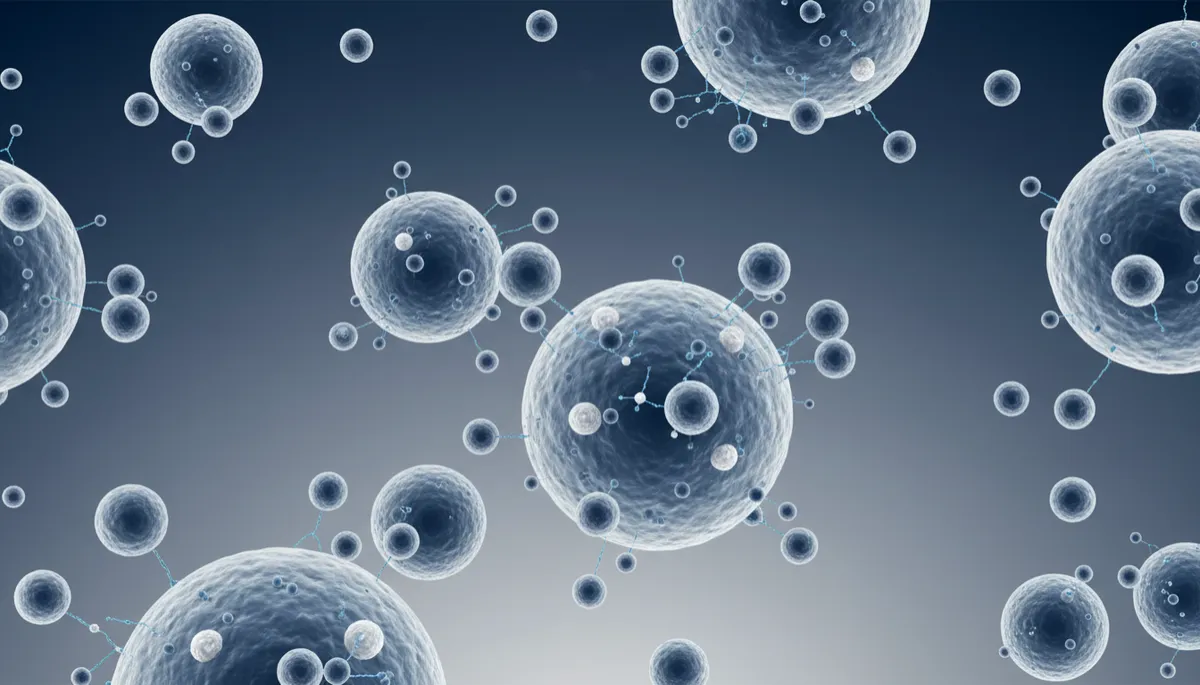
Exosomes act as natural cellular messengers, shaping how tissues respond and adapt.
What to Expect at a SymbioStem Exosome IV Session
If you are exploring exosome therapy in Santa Clarita and prefer a calm, concierge-style environment, here is how a typical visit at SymbioStem unfolds. Our goal is to make the experience as clear and predictable as possible, with no high-pressure sales tactics.
- Comprehensive consultation: We begin with a detailed medical and lifestyle review, including your goals, prior treatments, and any imaging or lab work you may have. We discuss the current state of exosome therapy research 2026 in plain language and outline potential benefits, limitations, and unknowns. This is also where we screen for contraindications and determine if you are a candidate for exosome IV treatment or if another approach is better suited.
- Protocol design: If you are a candidate and choose to proceed, we design a personalized protocol that may include exosome IV treatment alone or in combination with other wellness-focused therapies available at SymbioStem. We review sourcing, safety testing, and what we know — and do not know — about dosing from the literature.
- IV session in a premium setting: On treatment day, you are welcomed into a quiet, comfortable infusion room with deep blue and neutral tones, reclining seating, and attentive staff. After standard checks (vitals, recent changes in health), an IV line is placed and the exosome preparation is infused over a set period, often alongside a balanced carrier solution. Most patients relax, read, or listen to music during the session.
- Post-session monitoring and follow-up: You are monitored briefly after the infusion and given clear post-care instructions. We schedule follow-up to review how you are feeling, discuss any changes you have noticed, and determine whether additional sessions make sense. We encourage you to track your own observations as well, in line with your analytical mindset.
FAQ: Exosome Therapy at SymbioStem, Santa Clarita
Are exosomes FDA approved?
As of 2026, no exosome therapy is FDA approved to treat or cure any disease. The FDA has also clarified that most exosome products being marketed directly to clinics should be regulated as drugs or biologics, requiring formal clinical trials and approval pathways. Some companies and clinics use terms like “FDA registered” or “361-compliant,” but reviews in interventional pain medicine have criticized this as misleading when used to imply approval. 10 At SymbioStem, we are transparent that exosome therapy is an off-label, investigational, wellness-focused service, and we do not present it as an FDA-approved treatment.
How much does exosome therapy cost in Santa Clarita?
Pricing for exosome therapy in the Santa Clarita Valley typically starts in the low-to-mid four figures per session, depending on product type, dose, and whether treatments are combined with other procedures. Some nearby centers list starting prices around $1,500 for aesthetic-focused protocols. At SymbioStem, exact pricing depends on your individualized plan and will be discussed transparently during your consultation — no surprises, no pressure. Because exosome therapy is not FDA approved, it is generally not covered by insurance and is an out-of-pocket investment.
Is exosome therapy safe?
Current human data suggest that exosome and EV-based therapies have a favorable short-term safety profile in controlled settings, with low rates of serious adverse events in published trials. 4 That said, exosome therapy is still relatively new. Long-term safety, optimal dosing, and product standardization are active areas of research. We mitigate risk by using carefully sourced products, screening candidates thoroughly, and monitoring closely — but we are honest that unknowns remain, and results and tolerability vary by individual.
How many exosome IV treatments will I need?
There is no universally accepted protocol. Research studies use a wide range of dosing schedules depending on the indication. In a wellness clinic setting, some individuals choose a short series of sessions over several weeks, while others opt for a single treatment and then reassess. At SymbioStem, we avoid one-size-fits-all packages. Instead, we co-design a plan based on your goals, response, and budget, and we are comfortable saying “no” if additional sessions are unlikely to add value.
How does SymbioStem differ from other regenerative exosome therapy providers near me?
Many people searching for regenerative exosome therapy near me find a mix of med spas, aesthetic clinics, and wellness centers. SymbioStem is structured as a concierge regenerative medicine clinic with a strong emphasis on scientific literacy, risk transparency, and individualized care. We welcome skeptical, research-oriented patients, clearly state that exosome therapies are not FDA approved, and integrate your existing medical team into the conversation whenever possible. Our aim is to be your thinking partner, not just another vendor selling a protocol.
Ready for a Candid Conversation About Exosome Therapy in Santa Clarita?
If you are in the 45–70 age range, live in or near Santa Clarita, and have been quietly collecting articles and studies on exosomes, you are exactly the kind of person we designed SymbioStem for. You do not need another sales pitch; you need a clear, scientifically grounded discussion of whether exosome IV treatment fits into your broader wellness strategy — or whether other options make more sense right now.
To schedule a private consultation and explore exosome therapy Santa Clarita options with a balanced, evidence-aware team, call SymbioStem™ at 661-467-0243. We will review your history, walk through the current research, and help you decide — together — if this emerging therapy aligns with your goals, your risk tolerance, and your values.
SymbioStem™ — concierge regenerative medicine in Santa Clarita, focused on informed choice, scientific integrity, and personalized care.
Meta Title: Exosome Therapy Santa Clarita | 2026 Research-Based Guide & IV Treatment at SymbioStem™
Meta Description: Curious about exosome IV treatment in Santa Clarita? Explore a balanced 2026 guide from SymbioStem™ covering what exosome therapy is, current research, safety, costs, and what to expect at a concierge regenerative medicine clinic. Call 661-467-0243 for a candid consultation.